Love this? Save it for later!
Share the inspiration with your friends
My brother-in-law Mark had sworn off salads for the better part of a decade. “Why would I eat a bowl of cold, sad leaves when I could have a burger?” was his daily argument. I mean, the man brought a bag of chips to a barbecue as his official “side dish.” So when he came over for dinner last January and I mentioned a citrus salad was on the menu, he literally groaned. Not subtly, either—a full, dramatic groan. Then he sat down, took a bite of this Bright Winter Citrus & Pomegranate Salad, and went completely silent. The guy ate three servings. Three. He didn’t even acknowledge it, which honestly made it funnier. He just kept reaching across the table for more.
That’s the thing about this salad. It doesn’t announce itself as something special. It just is. The combination of juicy citrus segments, tart pomegranate arils, and creamy avocado on a bed of crisp greens creates this unexpected harmony that catches you off guard. Maybe you’ve been there—skeptical of a salad that promises to be “different,” only to find yourself scraping the bowl for every last bit of dressing. This is that salad.
The beauty of this recipe is how it captures the essence of winter produce at its peak. When the weather outside is gray and cold, citrus fruits are exploding with color and sweetness. It feels almost rebellious to eat something this bright in January. I keep coming back to it because it takes exactly fifteen minutes to throw together, yet it looks like something you’d pay eighteen dollars for at a fancy brunch spot. Plus, there’s something deeply satisfying about proving a salad-skeptic wrong without even trying.
Why You’ll Love This Recipe
This Bright Winter Citrus & Pomegranate Salad isn’t just another pretty salad—it’s a flavor bomb that happens to be ridiculously good for you. Here’s why it deserves a permanent spot in your winter rotation:
- Quick & Easy: Fifteen minutes from start to finish. No cooking, no complicated techniques, no stress. This is the kind of recipe you can make on a busy Tuesday when you need something fresh and fast.
- Simple Ingredients: You’ll find everything at your regular grocery store. No hunting down obscure ingredients or specialty items. The hardest part is picking good citrus, which we’ll cover.
- Perfect for Winter Entertaining: Holiday gatherings, New Year’s brunches, or just a weeknight dinner that feels special—this salad fits every occasion. The colors alone make it worthy of your best serving platter.
- Crowd-Pleaser: I’ve served this to salad lovers and salad skeptics alike, and it disappears every single time. The combination of sweet, tart, creamy, and crunchy hits all the right notes.
- Unbelievably Delicious: The honey-lime dressing ties everything together in a way that makes each bite better than the last. It’s bright without being acidic, sweet without being cloying.
What makes this version different is the balance. I spent weeks testing the ratio of citrus to greens to dressing, and this is the sweet spot. The avocado adds creaminess that tempers the tartness of the grapefruit, while the pomegranate seeds provide little bursts of sweetness. It’s not just another citrus salad—it’s the one that finally makes you understand why people get excited about winter produce.
This recipe hits that sweet spot between feeling virtuous and completely satisfied. You get the nutritional benefits without sacrificing an ounce of flavor. Honestly, it’s the kind of salad that makes you forget you’re eating something healthy.
What Ingredients You Will Need
This recipe relies on fresh, simple ingredients that let the winter citrus shine. Each component plays a specific role in creating the perfect balance of flavors and textures. Here’s what you’ll need:
- Mixed greens (4 cups / about 100g): A blend of arugula, baby spinach, and frisée works beautifully. The peppery arugula stands up to the citrus, while spinach adds mildness. Avoid delicate lettuces like butter lettuce—they’ll wilt under the dressing.
- Navel oranges (2 large): Look for heavy, firm oranges with smooth skin. The weight indicates juiciness. I prefer navel oranges for their sweetness and lack of seeds, but Cara Cara oranges work wonderfully too with their pinkish flesh and lower acidity.
- Ruby Red grapefruit (1 large): Choose one that feels heavy for its size and yields slightly to gentle pressure. Ruby Reds are sweeter than white grapefruits, but you can substitute with oro blanco or pomelo if you prefer less bitterness.
- Pomegranate arils (½ cup / about 85g): You can buy these pre-seeded to save time, but fresh pomegranates have superior flavor. Look for arils that are deep ruby red with no browning. If seeding your own, submerge the seeds in water to separate them from the pith easily.
- Ripe avocado (1 large): The avocado should yield to gentle pressure but not feel mushy. If it’s too firm, it won’t break down properly in the salad. Too soft, and it’ll turn into guacamole. I like Hass avocados for their creamy texture.
- Red onion (¼ cup / about 40g, thinly sliced): Soak the slices in cold water for 5 minutes before using—this tames the sharpness while keeping the crunch. You can substitute with shallots for a milder flavor.
- Toasted almonds (¼ cup / about 30g, sliced): Toast them in a dry pan over medium heat for 2-3 minutes until fragrant. They add crucial crunch. Walnuts or pecans work well too, but almonds have the mildest flavor.
- Feta cheese (¼ cup / about 30g, crumbled): The salty, tangy feta cuts through the sweetness of the citrus. Goat cheese makes a great substitute, or omit it entirely for a vegan version.
- For the dressing:
- Extra virgin olive oil (3 tablespoons / 45ml): Use a good-quality one—it’s the backbone of the dressing. I recommend California Olive Ranch for everyday use.
- Fresh lime juice (2 tablespoons / 30ml): Always use fresh, never bottled. The brightness makes a huge difference. One large lime usually yields about 2 tablespoons.
- Honey (1 tablespoon / 15ml): Local honey adds floral notes, but any mild honey works. Agave nectar or maple syrup are good substitutes.
- Dijon mustard (1 teaspoon / 5ml): This helps emulsify the dressing and adds a subtle tang. Whole grain mustard works too, but it will change the texture slightly.
- Salt and pepper (to taste): Flaky sea salt like Maldon is ideal for finishing, but regular kosher salt works fine.
Equipment Needed
You don’t need much for this recipe, which is part of its charm. Here’s what you’ll want on hand:
- Large salad bowl: A wide, shallow bowl works best for tossing without crushing the greens. I use a wooden bowl that I’ve had for years—it doesn’t conduct heat and looks beautiful on the table.
- Sharp chef’s knife: A good knife makes segmenting citrus infinitely easier. A dull knife will mangle the fruit and release too much juice. I recommend a 7-inch santoku or 8-inch chef’s knife.
- Cutting board: Use a separate board for citrus to avoid transferring onion smell to your fruit. Bamboo boards are gentle on knife edges.
- Small bowl or jar for dressing: A mason jar works perfectly for shaking the dressing together. It saves you from dirtying a whisk.
- Vegetable peeler: Optional, but helpful if you want to add thin shavings of Parmesan or extra citrus zest.
- Measuring spoons and cups: For accuracy, especially with the dressing ingredients. Eyeballing works once you’ve made it a few times.
If you don’t have a citrus reamer, you can just squeeze the lime by hand—it’s not the end of the world. And honestly, I’ve made this salad with a butter knife before when my good knives were dirty. It wasn’t pretty, but it still tasted amazing.
Preparation Method
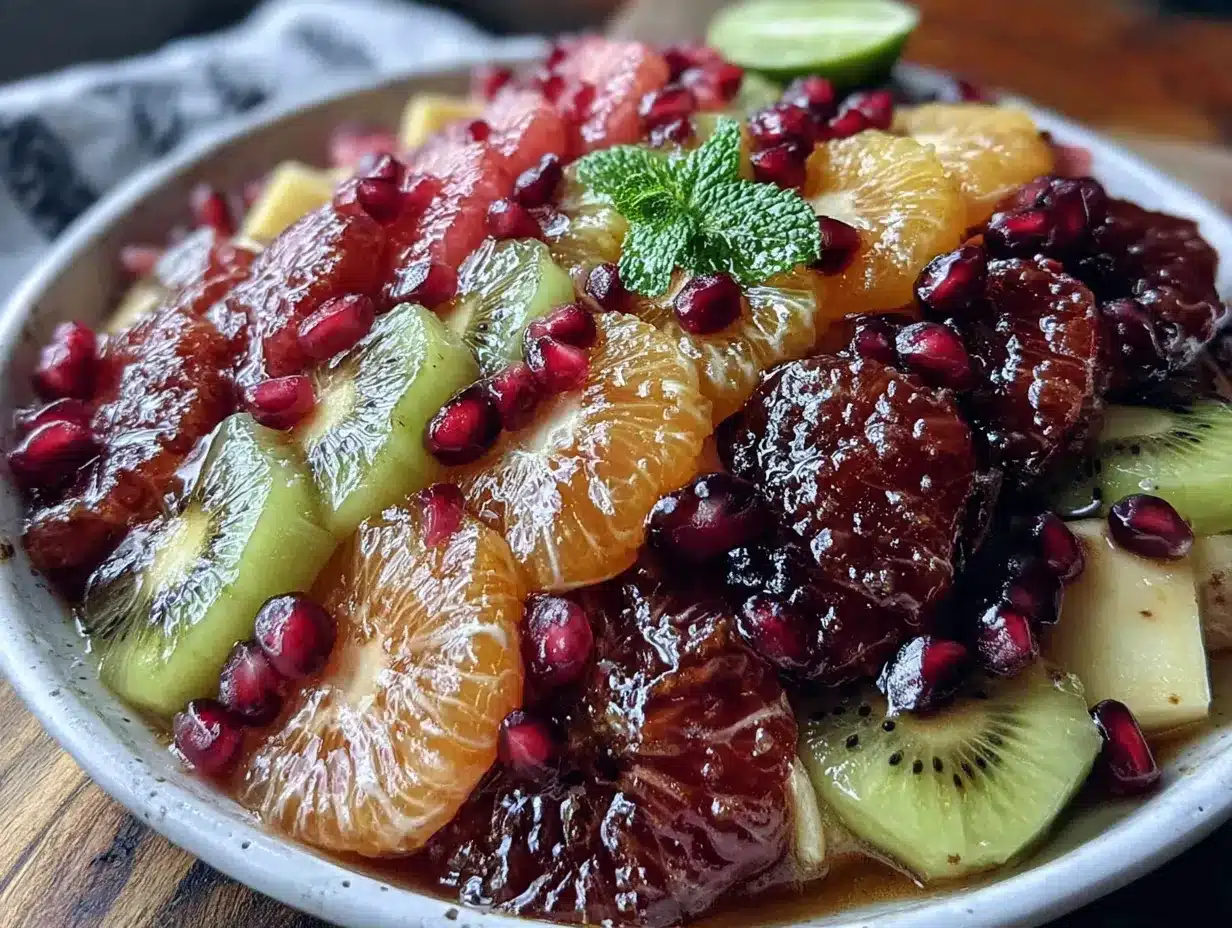
This salad comes together quickly, so I recommend prepping all your ingredients before you start assembling. Trust me on this—it makes the process so much smoother.
- Make the dressing (5 minutes): In a small bowl or mason jar, combine 3 tablespoons extra virgin olive oil, 2 tablespoons fresh lime juice, 1 tablespoon honey, and 1 teaspoon Dijon mustard. Add a pinch of salt and a few grinds of black pepper. Whisk vigorously or shake the jar until the dressing is emulsified and slightly thickened. Taste and adjust—if it’s too tart, add a little more honey. If it’s too sweet, add a squeeze more lime. Set aside. The dressing will separate as it sits, so give it another shake right before using.
- Prepare the citrus (8 minutes): Using a sharp knife, slice off the top and bottom of each orange and the grapefruit so they sit flat on the cutting board. Working from top to bottom, cut away the peel and white pith in strips, following the curve of the fruit. You want to remove all the bitter white pith while keeping as much flesh as possible. Once peeled, hold the fruit over a bowl to catch the juice and carefully cut between the membranes to release individual segments. This technique, called supreming, gives you beautiful, clean pieces without any of the tough membrane. Don’t worry if you break a few segments—they’ll still taste great. Squeeze the remaining membranes over the bowl to extract any extra juice, then reserve that juice for another use or add it to the dressing for extra citrus flavor.
- Prep the remaining ingredients (3 minutes): Thinly slice the red onion and soak in cold water for 5 minutes to mellow the bite. While the onion soaks, halve and pit the avocado, then scoop the flesh out with a spoon and slice it into thin wedges. If you’re using a whole pomegranate, cut it in half and tap the back firmly with a wooden spoon over a bowl to release the seeds. Toast the sliced almonds in a dry skillet over medium heat, shaking occasionally, until golden and fragrant—about 2-3 minutes. Watch them carefully because they burn fast.
- Assemble the salad (3 minutes): Place the mixed greens in your large salad bowl. Drain the red onion slices and pat them dry with a paper towel. Arrange the citrus segments, avocado slices, pomegranate arils, and red onion over the greens. Don’t toss yet—layering the ingredients makes for a prettier presentation. Sprinkle the toasted almonds and crumbled feta over the top.
- Dress and serve (1 minute): Give the dressing one final shake, then drizzle about half of it over the salad. Toss gently with your hands or salad tongs—be careful not to break the avocado or citrus segments. Add more dressing if needed, but remember you can always add more, but you can’t take it away. Serve immediately while the greens are crisp and the avocado is fresh.
A quick note: if you’re making this for a crowd, keep the dressing on the side until just before serving. Dressed salad doesn’t hold well, and the greens will start to wilt within about 15 minutes. Trust me, I learned this the hard way at a dinner party when my carefully composed salad turned into a soggy mess.
Cooking Tips & Techniques
Over the years, I’ve made this Bright Winter Citrus & Pomegranate Salad more times than I can count, and I’ve learned a thing or two along the way. Here are my best tips for getting it right every time:
Master the citrus segmenting: This is the one technique that separates a good citrus salad from a great one. Take your time removing every bit of white pith—it’s bitter and will ruin the sweetness of the fruit. If you’re nervous, practice on an orange first. The grapefruit is slightly trickier because of its shape. And don’t throw away the membranes after you’ve segmented the fruit—squeeze them over the bowl to collect any remaining juice. You can add this to the dressing or drink it straight up.
Room temperature matters: This salad is best when the ingredients are at room temperature. Cold citrus straight from the fridge mutes its flavor. Let your oranges and grapefruit sit on the counter for about 30 minutes before prepping. Same goes for the avocado—a cold avocado won’t have the same creamy texture.
Dress right before serving: I cannot stress this enough. The greens will start to wilt immediately after dressing, and the avocado will discolor. If you’re serving this at a party, set out the undressed salad and let guests dress their own portions. It looks prettier on the table anyway.
Toast your nuts: Raw almonds are fine, but toasting them takes this salad from good to great. The warmth brings out their natural oils and adds a depth of flavor that raw nuts just don’t have. Plus, the contrast between warm nuts and cool citrus is lovely.
Balance your acid: Taste your citrus before assembling. If your grapefruit is particularly tart, you might want to use less of it or add a touch more honey to the dressing. If your oranges are super sweet, a little extra lime juice in the dressing will balance things out. Cooking is about adjusting to what you have, not following a recipe rigidly.
One mistake I made early on was overdressing the salad. The citrus releases its own juice as you toss, so you actually need less dressing than you think. Start with half and add more if needed. Your salad will thank you.
Variations & Adaptations
This salad is endlessly adaptable, which is one of the reasons I make it so often. Here are some of my favorite variations:
- Add protein for a complete meal: Grilled chicken, seared shrimp, or flaked salmon turn this side salad into a satisfying main dish. I love it with a piece of lemon-herb salmon on top. The warm fish against the cool citrus is incredible.
- Make it vegan: Omit the feta cheese and use maple syrup or agave instead of honey in the dressing. Add some crispy chickpeas for crunch and protein. The salad is just as delicious without the cheese.
- Switch up the citrus: Try blood oranges for a dramatic color change and slightly berry-like flavor. Cara Cara oranges add a pinkish hue and are sweeter than navel oranges. Pomelo works beautifully in place of grapefruit and has a milder, less tart flavor.
- Change the greens: Watercress adds a peppery kick that stands up well to the citrus. Massaged kale works if you want a heartier salad that won’t wilt—just massage it with a little olive oil and salt for 2 minutes before adding the other ingredients.
- Add grains: A cup of cooked quinoa or farro turns this into a more substantial dish. The chewy texture of the grains pairs surprisingly well with the citrus. I’ve also added cooked lentils for extra protein and earthiness.
- Try a different cheese: Goat cheese adds tangy creaminess, while shaved Parmesan brings a salty, nutty flavor. I’ve even used crumbled blue cheese when I wanted something bolder—it works, but it’s definitely not for everyone.
My personal favorite variation involves adding a handful of fresh mint and basil leaves. The herbs add an unexpected freshness that makes the salad taste even brighter. I stumbled on this combination when I had leftover herbs from another recipe, and now I rarely make the salad without them.
Serving & Storage Suggestions
This Bright Winter Citrus & Pomegranate Salad is best served immediately, but there are ways to make it work for different situations.
Serving temperature: Serve this salad at room temperature or slightly chilled. If you’ve prepped your ingredients ahead of time, let them sit out for about 15 minutes before assembling. The flavors are much more vibrant when they’re not ice-cold.
Presentation tips: For a dinner party, I like to arrange the citrus segments and avocado in a circular pattern on top of the greens, then sprinkle the pomegranate arils and almonds over the top. Drizzle the dressing around the edges of the bowl rather than directly on top—it looks more intentional and keeps the greens from getting soggy too quickly.
Complementary dishes: This salad pairs beautifully with roasted chicken, grilled fish, or a simple pasta dish. It’s also lovely alongside a warm bowl of soup on a cold winter night. For a holiday spread, serve it next to a honey-glazed ham or roasted turkey.
Storage instructions: If you have leftovers, store the undressed salad in an airtight container in the refrigerator for up to one day. Keep the dressing separate. The avocado will brown, so it’s best to add fresh avocado when you’re ready to eat. The citrus segments can be stored in their own container for up to two days.
Reheating tips: You don’t reheat a salad, obviously, but if you’ve added grains or protein, those can be warmed separately. I’ve been known to eat leftover citrus segments and pomegranate arils straight from the fridge as a snack—they’re that good.
Flavor development: The dressing actually improves after sitting for a few hours as the flavors meld together. Make it a day ahead if you want. The citrus segments are best fresh, but they’ll hold up for a few hours if you need to prep ahead for a party.
Nutritional Information & Benefits
This salad isn’t just beautiful—it’s packed with nutrients that make you feel as good as you look eating it. Here’s what you’re getting in each serving (based on 4 servings):
Estimated nutritional values per serving: Approximately 280 calories, 18g fat (4g saturated), 28g carbohydrates, 8g fiber, 18g sugar, 6g protein, and 320mg sodium. These values will vary based on your specific ingredients and portion sizes.
Health benefits: Oranges and grapefruit are loaded with vitamin C, which supports immune function—especially important during winter months. Pomegranate arils are rich in antioxidants called punicalagins, which have anti-inflammatory properties. Avocado provides healthy monounsaturated fats that help your body absorb the fat-soluble vitamins from the greens. The almonds add vitamin E and magnesium, while the red onion provides quercetin, a compound with anti-inflammatory effects.
Dietary considerations: This salad is naturally gluten-free and can easily be made vegan by omitting the feta and using maple syrup instead of honey. It’s also low in added sugars—the sweetness comes primarily from the fruit. If you’re watching your sodium, use less salt in the dressing or skip the feta entirely.
Potential allergens: This recipe contains tree nuts (almonds) and dairy (feta cheese). Both can be omitted or substituted as needed. The dressing is free of common allergens when made with a plant-based sweetener.
I love that this salad makes eating well feel effortless. You get a serious nutritional punch without feeling like you’re eating “health food.” It’s just good food that happens to be good for you.
Conclusion
This Bright Winter Citrus & Pomegranate Salad is proof that the simplest recipes are often the most memorable. It takes fifteen minutes, uses ingredients that are at their peak during the colder months, and delivers a flavor experience that feels far more complex than it actually is. Whether you’re serving it at a holiday dinner, bringing it to a potluck, or just making it for yourself on a random Tuesday, it never disappoints.
I love this recipe because it reminds me that cooking doesn’t have to be complicated to be special. Sometimes the best dishes come from letting high-quality ingredients shine on their own. And honestly, watching someone who swore they hated salads go back for seconds never gets old.
I’d love to hear how yours turns out. Did you add any fun variations? Did you convert a salad skeptic in your life? Drop a comment below and let me know—I read every single one. And if you loved this recipe, share it with someone who needs a little brightness in their winter. Happy cooking!
Frequently Asked Questions
Can I make this salad ahead of time?
You can prep the ingredients up to a day ahead, but assemble the salad just before serving. Store the citrus segments, pomegranate arils, and dressing separately in the refrigerator. Add the avocado and almonds right before serving to keep them fresh.
What can I use instead of feta cheese?
Goat cheese, shaved Parmesan, or crumbled blue cheese all work beautifully. For a dairy-free option, omit the cheese entirely or add a sprinkle of nutritional yeast for a cheesy flavor.
How do I pick a good pomegranate?
Look for pomegranates that feel heavy for their size and have firm, unblemished skin. The heavier the fruit, the juicier the seeds. Avoid any with soft spots or cracks.
Can I use bottled lime juice instead of fresh?
Fresh lime juice makes a noticeable difference in this dressing. Bottled juice often has a flat, slightly bitter taste. If you’re in a pinch, use fresh lemon juice instead—it’s a better substitute than bottled lime.
What’s the best way to seed a pomegranate without making a mess?
Cut the pomegranate in half horizontally, then hold one half cut-side down over a bowl. Tap the skin firmly with a wooden spoon—the seeds will fall out easily. Do this in the sink to catch any stray seeds or juice splatters.
PrintBright Winter Citrus & Pomegranate Salad: Easy 15-Minute Recipe

This Bright Winter Citrus & Pomegranate Salad is a quick and easy 15-minute recipe featuring juicy citrus segments, tart pomegranate arils, creamy avocado, and a honey-lime dressing. It’s a perfect winter salad that’s both beautiful and delicious, ideal for holiday gatherings or a simple weeknight meal.
- Prep Time: 15 minutes
- Cook Time: 0 minutes
- Total Time: 15 minutes
- Yield: 4 servings 1x
- Category: Salad
- Cuisine: American
Ingredients
- 4 cups mixed greens (about 100g)
- 2 large navel oranges
- 1 large Ruby Red grapefruit
- ½ cup pomegranate arils (about 85g)
- 1 large ripe avocado
- ¼ cup red onion, thinly sliced (about 40g)
- ¼ cup sliced almonds, toasted (about 30g)
- ¼ cup crumbled feta cheese (about 30g)
- 3 tablespoons extra virgin olive oil (45ml)
- 2 tablespoons fresh lime juice (30ml)
- 1 tablespoon honey (15ml)
- 1 teaspoon Dijon mustard (5ml)
- Salt and pepper to taste
Instructions
- Make the dressing: In a small bowl or mason jar, combine 3 tablespoons extra virgin olive oil, 2 tablespoons fresh lime juice, 1 tablespoon honey, and 1 teaspoon Dijon mustard. Add a pinch of salt and a few grinds of black pepper. Whisk vigorously or shake the jar until the dressing is emulsified and slightly thickened. Taste and adjust. Set aside.
- Prepare the citrus: Using a sharp knife, slice off the top and bottom of each orange and the grapefruit so they sit flat on the cutting board. Working from top to bottom, cut away the peel and white pith in strips, following the curve of the fruit. Once peeled, hold the fruit over a bowl to catch the juice and carefully cut between the membranes to release individual segments. Squeeze the remaining membranes over the bowl to extract any extra juice.
- Prep the remaining ingredients: Thinly slice the red onion and soak in cold water for 5 minutes to mellow the bite. Halve and pit the avocado, then scoop the flesh out with a spoon and slice it into thin wedges. If using a whole pomegranate, cut it in half and tap the back firmly with a wooden spoon over a bowl to release the seeds. Toast the sliced almonds in a dry skillet over medium heat until golden and fragrant, about 2-3 minutes.
- Assemble the salad: Place the mixed greens in a large salad bowl. Drain the red onion slices and pat them dry. Arrange the citrus segments, avocado slices, pomegranate arils, and red onion over the greens. Sprinkle the toasted almonds and crumbled feta over the top.
- Dress and serve: Give the dressing one final shake, then drizzle about half of it over the salad. Toss gently with your hands or salad tongs. Add more dressing if needed. Serve immediately.
Notes
For best results, serve immediately after dressing. If making ahead, keep dressing separate and add avocado and almonds just before serving. The dressing improves after sitting for a few hours. To make vegan, omit feta and use maple syrup instead of honey.
Nutrition
- Serving Size: 1 serving
- Calories: 280
- Sugar: 18
- Sodium: 320
- Fat: 18
- Saturated Fat: 4
- Carbohydrates: 28
- Fiber: 8
- Protein: 6
Keywords: winter salad, citrus salad, pomegranate salad, quick salad, healthy salad, holiday salad, 15-minute recipe