Love this? Save it for later!
Share the inspiration with your friends
My neighbor had sworn off Irish soda bread for fifteen years. Fifteen years. That’s a long time to hold a grudge against a loaf of bread, honestly. She’d tell anyone who’d listen about the dry, crumbly bricks her grandmother used to make—the ones that required a full glass of milk just to get through a single bite. I nodded along every time, because I’d been there too. Soda bread has a reputation, and let’s face it, sometimes it’s earned.
Then last Tuesday happened. I was testing this cranberry orange version on a whim, mostly because I had leftover cranberries from a holiday recipe and an orange that was about to turn. The kitchen smelled like a bakery had exploded—warm citrus, toasted flour, that faint tang of buttermilk. I pulled the loaf out, let it cool maybe ten minutes (I’m impatient), and sliced into it. The crust cracked perfectly, and the inside was tender, almost scone-like, studded with bright red cranberries.
That’s when I caught her. Through my kitchen window, I saw her standing on her back porch, eyes closed, holding a slice I’d left on her doorstep an hour earlier. She was eating it slowly, deliberately, like she was trying to figure out if she was allowed to enjoy it. I didn’t say a word. But the next morning, a handwritten note appeared under my door: “Okay. You win.”
This quick cranberry orange Irish soda bread is the recipe that changes minds without even trying. It comes together in under an hour, requires zero yeast or kneading, and honestly tastes better the day you make it—though leftovers make amazing toast. Maybe you’ve had your own run-ins with dry, disappointing soda bread. I get it. But this version is different. It’s soft, it’s tangy, it’s studded with tart cranberries and bright orange zest, and it proves that sometimes the simplest things are worth a second chance.
Why You’ll Love This Recipe
Let me tell you why this quick cranberry orange Irish soda bread has earned a permanent spot in my weeknight baking rotation. I’ve tested this recipe at least eight times to get the texture exactly right—not too dense, not too crumbly, with just the right balance of sweet and tart. Here’s what makes it special:
- Quick & Easy: From mixing bowl to cooling rack in under an hour. No yeast, no rising time, no complicated techniques. Perfect for those evenings when you want fresh bread but don’t have hours to spare.
- Simple Ingredients: You probably already have flour, baking soda, salt, and butter in your kitchen. Just grab some buttermilk, an orange, and dried cranberries—no fancy grocery trips required.
- Perfect for Weeknights: This bread goes from craving to table in 60 minutes flat. Serve it alongside soup, stew, or just slathered with butter for a quick dinner side.
- Crowd-Pleaser: I’ve brought this to potlucks and family dinners, and it disappears every single time. The cranberries and orange make it feel special without being fussy.
- Unbelievably Delicious: The texture is where this bread shines—tender and moist on the inside, with a beautifully crisp crust. The orange zest brightens up every bite, and the cranberries add little bursts of tartness.
What makes this recipe different from all the other soda bread recipes out there? It’s the technique. Instead of overworking the dough (the number one mistake people make), I use a light hand and a specific mixing method that keeps the bread tender. The cranberries get tossed in a bit of flour before folding them in, which prevents them from sinking to the bottom. And that orange zest? I rub it into the sugar first to release the oils, so the flavor permeates every single bite.
This isn’t just another soda bread recipe. It’s the one that makes you close your eyes after the first bite. It’s comfort food reimagined—faster, brighter, but with the same soul-soothing satisfaction. Perfect for impressing dinner guests without stress, or turning a simple weeknight meal into something memorable.
What Ingredients You Will Need
This recipe uses simple, wholesome ingredients to deliver bold flavor and satisfying texture without the fuss. Most of these are pantry staples, and the ones that aren’t are easy to find at any grocery store.
- All-purpose flour – 3 cups (360g). This gives the bread structure without making it tough. I’ve tested this with bread flour, and it works but produces a slightly denser loaf. Stick with all-purpose for the best texture.
- Granulated sugar – 1/3 cup (65g). Just enough sweetness to balance the tart cranberries and tangy buttermilk. You can reduce this to 1/4 cup if you prefer a less sweet bread.
- Baking soda – 1 teaspoon. This is your leavening agent—no yeast needed. Make sure it’s fresh, or your bread won’t rise properly.
- Salt – 1/2 teaspoon. Enhances all the flavors and balances the sweetness.
- Unsalted butter – 4 tablespoons (56g), cold and cubed. The cold butter creates little pockets of steam as the bread bakes, giving you a tender crumb. I use Kerrygold for the best flavor, but any good-quality butter works.
- Dried cranberries – 1 cup (120g). I prefer Craisins for their consistent texture, but any brand works. If your cranberries are very dry, soak them in hot water for 10 minutes, then drain before using.
- Orange zest – 2 tablespoons (from about 2 medium oranges). This is where the magic happens. Use a microplane or fine grater, and only zest the orange part—the white pith is bitter.
- Buttermilk – 1 1/4 cups (300ml), cold. The acidity in buttermilk reacts with the baking soda to create lift. It also gives the bread its signature tangy flavor. No buttermilk? No problem—see the substitution note below.
- Optional: Orange juice – 2 tablespoons. I add this when I want an extra punch of citrus flavor. It’s not essential, but it makes the bread even more aromatic.
Ingredient Tips: For the best texture, make sure your butter is truly cold—pop it in the freezer for 10 minutes before cutting if your kitchen is warm. For the cranberries, I’ve found that cheaper store brands can be a bit tough, so I stick with Ocean Spray or a similar quality brand. If you’re using fresh cranberries instead of dried, increase the sugar to 1/2 cup to balance the tartness.
Substitution Guidance: If you don’t have buttermilk, you can make a quick substitute by adding 1 tablespoon of lemon juice or white vinegar to 1 1/4 cups of regular milk. Let it sit for 5 minutes until it curdles slightly. For a dairy-free version, use full-fat canned coconut milk mixed with 1 tablespoon of lemon juice. The texture will be slightly denser but still delicious.
Equipment Needed
You don’t need a lot of fancy equipment for this quick cranberry orange Irish soda bread, which is part of its appeal. Here’s what you’ll need:
- Large mixing bowl – A standard 4-quart bowl works perfectly. I use a glass bowl because I can see when the butter is properly incorporated.
- Pastry cutter or two forks – For cutting the cold butter into the flour. A pastry cutter is faster, but two forks work just fine if that’s what you have.
- Microplane or fine grater – For zesting the oranges. A regular box grater works too, but a microplane gives you finer zest that distributes more evenly.
- Measuring cups and spoons – Accurate measurements matter in baking. I recommend using dry measuring cups for flour and liquid measuring cups for buttermilk.
- Baking sheet or cast iron skillet – A rimmed baking sheet lined with parchment paper works great. For a more traditional look, use a 10-inch cast iron skillet—it gives the bread a gorgeous crust.
- Sharp knife or bench scraper – For scoring the top of the loaf before baking. This helps the bread expand evenly.
- Cooling rack – Essential for letting the bread cool properly so the inside finishes cooking and the crust stays crisp.
Budget-Friendly Tip: If you don’t have a pastry cutter, you can use a food processor to pulse the butter into the flour. Just be careful not to over-process—you want pea-sized pieces of butter, not dust. And if you don’t have a cast iron skillet, a regular baking sheet works perfectly. I’ve made this bread on a simple cookie sheet dozens of times with great results.
Preparation Method
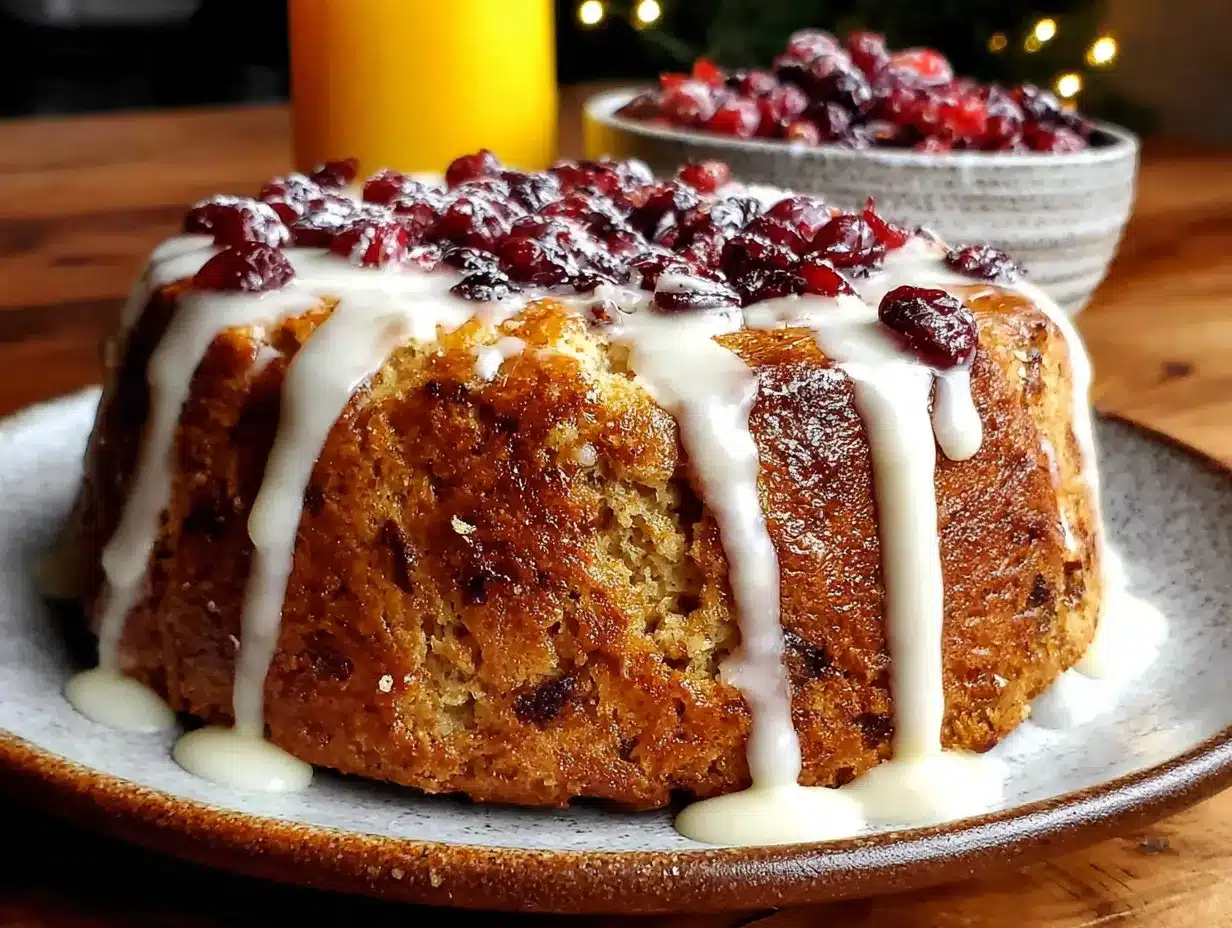
Let me walk you through this step by step. I’ve made this quick cranberry orange Irish soda bread so many times that I could do it in my sleep, but I still follow these exact steps every time for consistent results.
- Preheat your oven to 400°F (200°C). Place a rack in the middle position. If you’re using a cast iron skillet, put it in the oven to preheat as well—this gives the bread an extra-crispy bottom crust.
- Prep your citrus. Wash your oranges thoroughly. Using a microplane, zest two medium oranges until you have 2 tablespoons of zest. Try to avoid the white pith underneath, as it’s bitter. Set the zest aside. Optional: squeeze 2 tablespoons of orange juice from one of the zested oranges.
- Mix the dry ingredients. In a large mixing bowl, whisk together 3 cups (360g) all-purpose flour, 1/3 cup (65g) granulated sugar, 1 teaspoon baking soda, and 1/2 teaspoon salt. Make sure the baking soda is evenly distributed—this is crucial for even rising.
- Rub the zest into the sugar. This is my secret step. Take the orange zest and rub it into the sugar with your fingertips until the sugar becomes fragrant and slightly damp. This releases the essential oils from the zest and infuses the entire loaf with orange flavor. Then whisk this sugar mixture into the flour.
- Cut in the butter. Add 4 tablespoons (56g) cold, cubed unsalted butter to the flour mixture. Using a pastry cutter or two forks, cut the butter into the flour until the mixture resembles coarse meal with pea-sized butter pieces. Don’t overwork it—you want visible bits of butter throughout. This is what creates those tender, flaky pockets in the finished bread.
- Prep the cranberries. In a small bowl, toss the 1 cup (120g) dried cranberries with 1 tablespoon of flour. This coating prevents them from sinking to the bottom of the loaf during baking. Set aside.
- Add the wet ingredients. Make a well in the center of the flour mixture. Pour in 1 1/4 cups (300ml) cold buttermilk and the optional 2 tablespoons orange juice. Stir with a wooden spoon or spatula just until the dough comes together. It will be shaggy and sticky—that’s exactly what you want. Do not overmix, or the bread will be tough.
- Fold in the cranberries. Gently fold the flour-coated cranberries into the dough with just a few strokes. You want them evenly distributed without overworking the dough.
- Shape the dough. Turn the dough out onto a lightly floured surface. With floured hands, gently bring the dough together into a round loaf shape. Don’t knead it—just pat it into a 6-inch round that’s about 1 1/2 inches thick. The dough should look rough and rustic, not smooth and perfect.
- Transfer to baking surface. Place the shaped dough onto a parchment-lined baking sheet or into your preheated cast iron skillet. If using a hot skillet, be careful—it’s extremely hot!
- Score the top. Using a sharp knife or bench scraper, cut a deep “X” across the top of the loaf, about 1/2 inch deep. This isn’t just for looks—it helps the bread expand evenly as it bakes and allows steam to escape. Without this score, the bread might crack unpredictably.
- Bake. Place the bread in the preheated oven and bake for 35-40 minutes, until the crust is deep golden brown and the loaf sounds hollow when tapped on the bottom. If you have an instant-read thermometer, the internal temperature should reach 190°F (88°C).
- Cool. Transfer the bread to a cooling rack and let it cool for at least 15-20 minutes before slicing. I know it’s tempting to cut into it right away, but the inside needs time to finish setting. Plus, the crust gets perfectly crisp as it cools.
Visual Cue: The dough should be sticky and shaggy, not smooth like bread dough. If it looks too dry, add an extra tablespoon of buttermilk. If it’s too wet to handle, add a tablespoon of flour. Trust your instincts—soda bread is forgiving.
Cooking Tips & Techniques
After making this quick cranberry orange Irish soda bread more times than I can count, I’ve learned a few things the hard way. Let me save you some trouble.
Don’t overmix the dough. This is the number one mistake people make with soda bread. Mix just until the ingredients come together—20 seconds of stirring is plenty. Overmixing develops the gluten and turns your tender loaf into a rubbery brick. I learned this lesson when I made a loaf that was so tough, my husband joked we could use it as a doorstop.
Keep your ingredients cold. Cold butter and cold buttermilk are non-negotiable. The cold butter creates steam pockets as it bakes, giving you that tender, flaky texture. If your kitchen is warm, pop your butter in the freezer for 10 minutes before cutting, and keep your buttermilk in the fridge until the last minute.
Score deeply enough. That “X” on top isn’t just decorative. I once made the mistake of scoring too shallowly, and the bread cracked down the side instead of opening along the score marks. The result? A lopsided loaf that looked like it had been in a fight. Cut at least 1/2 inch deep, and don’t be shy about it.
Use the toothpick test. If you’re unsure whether the bread is done, insert a wooden toothpick into the center. If it comes out clean or with just a few moist crumbs, it’s ready. If there’s wet dough on it, give it another 5 minutes.
Let it cool properly. I know the smell is intoxicating, but slicing into warm soda bread too early will give you a gummy interior. The bread continues to cook from residual heat as it cools. Give it at least 15-20 minutes on a cooling rack. Trust me, it’s worth the wait.
Multitasking tip: While the bread bakes, you can prep your dinner. This bread pairs beautifully with a quick soup or stew—start your soup while the bread is in the oven, and everything will be ready at the same time.
Variations & Adaptations
One of the best things about this quick cranberry orange Irish soda bread is how adaptable it is. Here are some variations I’ve tried and loved:
- Gluten-Free Version: Substitute the all-purpose flour with a 1:1 gluten-free baking flour blend that contains xanthan gum. I’ve had great results with Bob’s Red Mill Gluten-Free 1-to-1 Baking Flour. Add an extra tablespoon of buttermilk if the dough seems too dry. The texture will be slightly more crumbly but still delicious.
- Dairy-Free Version: Replace the butter with cold coconut oil or vegan butter (I like Miyoko’s). Use full-fat canned coconut milk mixed with 1 tablespoon of lemon juice instead of buttermilk. The coconut flavor is subtle and actually complements the orange nicely.
- Seasonal Variations: In the fall, swap the dried cranberries for dried cherries and add 1 teaspoon of cinnamon. In the summer, use fresh blueberries instead of cranberries (increase baking time by 5 minutes). Around the holidays, add 1/2 cup of chopped pecans or walnuts for extra crunch.
- Savory Version: Omit the sugar and orange zest. Add 1 cup of shredded sharp cheddar cheese, 2 tablespoons of fresh chopped rosemary, and 1/2 teaspoon of black pepper. Reduce the cranberries to 1/2 cup or omit them entirely. This version is amazing alongside a bowl of tomato soup.
- Whole Wheat Option: Replace 1 cup of the all-purpose flour with whole wheat flour. You’ll need to add an extra 2-3 tablespoons of buttermilk because whole wheat flour absorbs more liquid. The bread will be denser and nuttier in flavor.
Personal Variation: My favorite twist is adding 1/2 cup of white chocolate chips along with the cranberries. The sweetness of the white chocolate balances the tart cranberries perfectly. I discovered this combination by accident when I was out of dark chocolate chips and desperate for something sweet. Now I make it this way on purpose.
Serving & Storage Suggestions
This quick cranberry orange Irish soda bread is incredibly versatile when it comes to serving. Here’s how I like to enjoy it:
Serving Temperature: This bread is best served warm or at room temperature. If you’re serving it warm, let it cool for at least 15 minutes after baking so the inside sets properly. Slice it into wedges, just like you would a round loaf of bread.
Classic Pairings: A slice of this bread with a generous pat of salted butter is pure heaven. The saltiness of the butter perfectly complements the sweet-tart cranberries and bright orange. For a special treat, try it with honey butter (mix 2 tablespoons of softened butter with 1 tablespoon of honey).
Meal Pairings: This bread is fantastic alongside hearty soups and stews. It’s my go-to side for a simple lentil soup or a bowl of beef stew. It also makes amazing toast for breakfast—just slice, toast, and spread with butter or cream cheese. I’ve even used leftover slices for a killer bread pudding.
Storage Instructions: Store leftover bread in an airtight container or wrapped tightly in plastic wrap at room temperature for up to 3 days. Do not refrigerate—the fridge will dry it out and make it stale faster. If your kitchen is very warm, you can store it in a bread box or paper bag.
Freezing Instructions: This bread freezes beautifully. Wrap the completely cooled loaf tightly in plastic wrap, then in aluminum foil, and freeze for up to 3 months. To thaw, leave it at room temperature for 2-3 hours. To reheat, wrap in foil and warm in a 350°F oven for 10-15 minutes.
Reheating Tips: For the best texture, reheat slices in a toaster or toaster oven. If you’re reheating the whole loaf, wrap it in foil and warm it in a 350°F oven for 10 minutes. The crust will crisp back up beautifully.
Flavor Development: Honestly, this bread is at its absolute best on the day it’s made. The crust is crisp, the inside is tender, and the flavors are bright. That said, day-old slices make incredible toast. The flavor actually mellows and deepens slightly overnight.
Nutritional Information & Benefits
Here’s the nutritional breakdown for one slice of this quick cranberry orange Irish soda bread (based on 8 servings):
| Nutrient | Amount per Serving |
|---|---|
| Calories | 285 |
| Total Fat | 7g |
| Saturated Fat | 4g |
| Cholesterol | 18mg |
| Sodium | 325mg |
| Total Carbohydrates | 49g |
| Dietary Fiber | 2g |
| Sugars | 18g |
| Protein | 6g |
Health Benefits: This bread offers more than just great taste. Dried cranberries are packed with antioxidants and vitamin C, which support immune health. Oranges provide a good dose of vitamin C and flavonoids that help reduce inflammation. The buttermilk adds calcium and probiotics (if using traditional cultured buttermilk). Plus, since this bread is made with simple, whole ingredients, it’s free from preservatives and artificial additives.
Dietary Considerations: This recipe is vegetarian-friendly. For a lower-sugar version, reduce the granulated sugar to 1/4 cup and use unsweetened dried cranberries. For a lower-fat option, replace the butter with 3 tablespoons of applesauce—the texture will be slightly denser but still tasty.
Allergen Note: This recipe contains wheat (gluten) and dairy (butter, buttermilk). See the variations section for gluten-free and dairy-free adaptations.
My Wellness Perspective: I believe in enjoying real food in moderation. This bread is a treat, not an everyday staple, but it’s made with ingredients you can feel good about. A slice with some protein-rich soup makes for a balanced, satisfying meal that doesn’t feel like deprivation.
Conclusion
This quick cranberry orange Irish soda bread is proof that you don’t need yeast, hours of rising time, or complicated techniques to make something truly special. It’s the kind of recipe that fits seamlessly into a busy weeknight—ready in under an hour, made with ingredients you probably already have, and so delicious that it changes minds.
I love this recipe because it’s forgiving. If you forget to zest the oranges, it’s still good. If you overmix slightly, it’s still good. It’s not precious or fussy—it’s honest, rustic bread that tastes like comfort. The tart cranberries, the bright orange, the tender crumb with that perfect crust—it all comes together in a way that feels both familiar and fresh.
I encourage you to make this your own. Add more orange zest if you love citrus. Throw in some chocolate chips if that’s your thing. Serve it with soup, eat it for breakfast, or just stand at the counter tearing off pieces while it’s still warm (no judgment here).
When you make this bread, I’d love to hear how it turns out. Drop a comment below and let me know if you tried any variations, or share a photo of your loaf. Don’t forget to pin this recipe for later and share it with someone who thinks they don’t like soda bread. You might just change their mind.
Happy baking, friends. Your kitchen is about to smell incredible.
Frequently Asked Questions
Can I use fresh cranberries instead of dried?
Yes, you can use fresh cranberries! If you do, increase the sugar to 1/2 cup to balance the tartness. You may also need to add 5-10 minutes to the baking time since fresh cranberries release more moisture. No need to toss them in flour—just fold them in gently.
Why did my soda bread turn out dense and heavy?
The most common reason is overmixing the dough. Soda bread should be mixed just until the ingredients come together—about 20 seconds of stirring. Overmixing develops the gluten and creates a tough, dense loaf. Another possible culprit is old baking soda. Make sure your baking soda is fresh (less than 6 months old) for proper rising.
Can I make this bread ahead of time?
Absolutely! This bread is best on the day it’s made, but you can bake it a day ahead. Store it tightly wrapped at room temperature. For longer storage, freeze the fully cooled loaf for up to 3 months. Reheat in a 350°F oven for 10-15 minutes to refresh the crust.
What can I use instead of buttermilk?
If you don’t have buttermilk, make a quick substitute: add 1 tablespoon of lemon juice or white vinegar to 1 1/4 cups of regular milk. Let it sit for 5 minutes until it curdles slightly. You can also use plain yogurt thinned with a little milk, or full-fat canned coconut milk with lemon juice for a dairy-free option.
How do I know when the bread is fully baked?
The bread is done when the crust is deep golden brown and the loaf sounds hollow when tapped on the bottom. For precision, use an instant-read thermometer—the internal temperature should reach 190°F (88°C). You can also insert a toothpick into the center; if it comes out clean or with just a few moist crumbs, it’s ready.
PrintQuick Cranberry Orange Irish Soda Bread – Easy 1-Hour Recipe

This quick cranberry orange Irish soda bread is a tender, tangy loaf studded with tart cranberries and bright orange zest. Ready in under an hour with no yeast or kneading, it’s the perfect weeknight bread that changes minds about soda bread.
- Prep Time: 15 minutes
- Cook Time: 35-40 minutes
- Total Time: 55-60 minutes
- Yield: 8 servings 1x
- Category: Bread
- Cuisine: Irish
Ingredients
- 3 cups (360g) all-purpose flour
- 1/3 cup (65g) granulated sugar
- 1 teaspoon baking soda
- 1/2 teaspoon salt
- 4 tablespoons (56g) unsalted butter, cold and cubed
- 1 cup (120g) dried cranberries
- 2 tablespoons orange zest (from about 2 medium oranges)
- 1 1/4 cups (300ml) cold buttermilk
- 2 tablespoons orange juice (optional)
Instructions
- Preheat your oven to 400°F (200°C). Place a rack in the middle position. If using a cast iron skillet, put it in the oven to preheat.
- Wash oranges thoroughly. Using a microplane, zest two medium oranges until you have 2 tablespoons of zest. Set aside. Optional: squeeze 2 tablespoons of orange juice from one of the zested oranges.
- In a large mixing bowl, whisk together 3 cups (360g) all-purpose flour, 1/3 cup (65g) granulated sugar, 1 teaspoon baking soda, and 1/2 teaspoon salt.
- Rub the orange zest into the sugar with your fingertips until fragrant and slightly damp. Whisk this sugar mixture into the flour.
- Add 4 tablespoons (56g) cold, cubed unsalted butter to the flour mixture. Using a pastry cutter or two forks, cut the butter into the flour until the mixture resembles coarse meal with pea-sized butter pieces.
- In a small bowl, toss the 1 cup (120g) dried cranberries with 1 tablespoon of flour. Set aside.
- Make a well in the center of the flour mixture. Pour in 1 1/4 cups (300ml) cold buttermilk and the optional 2 tablespoons orange juice. Stir with a wooden spoon or spatula just until the dough comes together. It will be shaggy and sticky.
- Gently fold the flour-coated cranberries into the dough with just a few strokes.
- Turn the dough out onto a lightly floured surface. With floured hands, gently bring the dough together into a round loaf shape. Don’t knead—just pat it into a 6-inch round that’s about 1 1/2 inches thick.
- Place the shaped dough onto a parchment-lined baking sheet or into your preheated cast iron skillet.
- Using a sharp knife or bench scraper, cut a deep ‘X’ across the top of the loaf, about 1/2 inch deep.
- Bake for 35-40 minutes, until the crust is deep golden brown and the loaf sounds hollow when tapped on the bottom. Internal temperature should reach 190°F (88°C).
- Transfer the bread to a cooling rack and let it cool for at least 15-20 minutes before slicing.
Notes
Don’t overmix the dough—mix just until ingredients come together. Keep ingredients cold for best texture. Score the top deeply (1/2 inch) to allow even expansion. Let cool at least 15-20 minutes before slicing to avoid gummy interior. For best results, use fresh baking soda.
Nutrition
- Serving Size: 1 slice
- Calories: 285
- Sugar: 18
- Sodium: 325
- Fat: 7
- Saturated Fat: 4
- Carbohydrates: 49
- Fiber: 2
- Protein: 6
Keywords: Irish soda bread, cranberry orange bread, quick bread, no yeast bread, weeknight bread, soda bread recipe