Love this? Save it for later!
Share the inspiration with your friends
Maria, the woman who runs the fish counter at my local market, watched me fumbling with a bag of frozen shrimp one Thursday afternoon. I was clearly in over my head, trying to plan a birthday dinner for my husband with zero confidence. She didn’t say anything at first. Then she reached under the counter, pulled out a piece of parchment paper, and started scribbling. “You need this,” she said, sliding the paper across the cold glass. “It’s the one dish that makes people forget their own names.” The recipe she handed me was for a seafood linguine that she’d been making for her family’s Sunday gatherings for thirty years. It was written in a mix of Italian and English, with measurements like “a handful of this” and “a splash of that.” I’ll be honest, I was intimidated. I mean, I burn toast sometimes. But Maria just laughed and said, “The secret isn’t perfection, honey. It’s the butter.”
That first attempt was a mess. I forgot the white wine (used chicken broth in a panic), the garlic burned, and the linguine turned into a gluey brick. But the flavor was there—a hint of something special hiding behind my mistakes. I kept at it, tweaking and testing, calling Maria with questions about scallop sizes and wine acidity. She never once made me feel silly for asking. “Cooking is just talking,” she’d say. “You listen to the pan, it tells you what it needs.” Over time, I developed my own version of her masterpiece. I added more garlic (because, let’s face it, you can never have too much), swapped in a dry Pinot Grigio, and perfected the technique for getting that silky, emulsified sauce that clings to every strand of pasta. This is that recipe. It’s the one I pull out when I want to hear that collective “wow” from a dinner table, when I need a dish that feels fancy but isn’t actually hard, and when I want to share a little bit of Maria’s kitchen wisdom with the people I love.
Why You’ll Love This Recipe
This isn’t just another seafood pasta recipe. This is the one you’ll turn to when you want to impress without the stress. I’ve tested this version over a dozen times, tweaking the wine-to-butter ratio and the timing on the seafood until it was absolutely foolproof. Here’s why it works so well for hosting:
- Quick & Easy: From start to finish, this dish comes together in under 30 minutes. That’s faster than delivery, and way more impressive.
- Simple Ingredients: No trips to specialty stores. You can find everything at your regular grocery store—good olive oil, fresh garlic, a bottle of decent white wine, and your choice of seafood.
- Perfect for Parties: This is a showstopper. Serve it at dinner parties, holiday gatherings, or that fancy birthday dinner you’ve been planning. It looks like you spent hours in the kitchen.
- Crowd-Pleaser: I’ve served this to picky eaters, seafood skeptics, and full-on foodies. Everyone goes back for seconds. The garlic butter sauce is just that good.
- Unbelievably Delicious: The texture is perfect—tender seafood, al dente pasta, and a sauce that’s rich but not heavy. It’s the kind of comfort food that feels elegant.
What makes this recipe different from all the others? It’s the technique. Most recipes dump everything in at once and end up with rubbery seafood and a broken sauce. My method builds the flavor layer by layer, starting with the aromatics, then the wine reduction, and finally the butter emulsion that creates that luxurious, restaurant-quality finish. You’ll also learn my trick for perfectly cooked seafood every single time—no more chewy shrimp or tough scallops. This is comfort food reimagined: faster, smarter, but with the same soul-soothing satisfaction that makes everyone close their eyes after the first bite.
What Ingredients You Will Need
This recipe uses simple, high-quality ingredients to deliver big, bold flavor. The magic is in the combination of fresh seafood, good olive oil, and a generous amount of garlic. Most of these are pantry staples or easy to find at any grocery store.
- For the Pasta:
- 450g (1 lb) linguine pasta – I prefer De Cecco or Barilla for the best texture. They hold up well to the sauce.
- Salt, for the pasta water – Use a generous amount. The pasta water is seasoned and helps flavor the sauce later.
- For the Seafood:
- 450g (1 lb) large shrimp, peeled and deveined – Look for raw, wild-caught shrimp if possible. Thaw frozen shrimp overnight in the fridge.
- 450g (1 lb) sea scallops – Buy “dry” scallops (not treated with sodium tripolyphosphate) for the best sear. They should be firm and smell fresh.
- 450g (1 lb) mussels or clams, scrubbed and debearded – Optional but highly recommended for that “wow” factor. Discard any that are open before cooking.
- For the Sauce:
- 6 tablespoons (90 ml) extra-virgin olive oil – Use a good quality one for flavor. I like California Olive Ranch for everyday cooking.
- 8-10 cloves garlic, minced – Yes, that’s a lot. Trust me. Fresh garlic is non-negotiable here.
- 1 cup (240 ml) dry white wine – Pinot Grigio, Sauvignon Blanc, or any dry white wine you’d drink. Avoid “cooking wine.”
- 4 tablespoons (60 g) unsalted butter, cold and cut into cubes – This is the secret to the silky sauce. Keep it cold until you’re ready to use it.
- 1/2 teaspoon red pepper flakes – Adjust to your heat preference. I use a full teaspoon because I like the kick.
- Zest and juice of 1 lemon – Fresh is best. Bottled lemon juice just doesn’t have the same brightness.
- 1/2 cup (120 ml) reserved pasta water – This is your secret weapon for thickening the sauce.
- 1/4 cup (15 g) fresh parsley, chopped – For garnish and freshness.
- Salt and freshly ground black pepper, to taste
Ingredient Selection Tips: When buying scallops, look for ones that are a creamy white or light beige color. Avoid any that look bright white or have a milky liquid—those are treated with preservatives and won’t sear properly. For the shrimp, I prefer 21-25 count (that’s the number per pound) for a nice, meaty bite. If you’re using frozen seafood, thaw it slowly in the refrigerator overnight. Never run it under hot water—that ruins the texture.
Substitution Guidance: If you’re feeding a crowd with mixed preferences, you can easily swap the seafood. Use all shrimp, all scallops, or add chunks of firm white fish like cod or halibut. For a budget-friendly version, use only shrimp and skip the scallops and mussels. If you’re dairy-free, you can use a high-quality vegan butter, but the sauce won’t be quite as rich. For gluten-free, use a good gluten-free linguine—I’ve had good luck with Jovial brand brown rice pasta.
Equipment Needed
You don’t need a professional kitchen to make this dish, but having the right tools makes everything easier. Here’s what you’ll need:
- Large pot (8-10 quart / 8-10 liter): For boiling the pasta. Make sure it’s big enough that the linguine has room to move.
- Large, deep skillet or Dutch oven (12-inch / 30 cm): This is where the magic happens. A wide surface area is key for searing the seafood properly.
- Colander: For draining the pasta. Don’t rinse it—you want the starch to help the sauce stick.
- Measuring cups and spoons: Accuracy matters, especially with the wine and butter.
- Chef’s knife and cutting board: A sharp knife makes mincing garlic a breeze. Dull knives are dangerous.
- Tongs: For tossing the pasta with the sauce. They give you more control than a spoon.
- Wooden spoon or spatula: For stirring the sauce and scraping up any browned bits from the pan.
- Microplane or zester: For getting that fine lemon zest without the bitter white pith.
- Kitchen shears: Handy for snipping fresh parsley and trimming the mussel beards.
Personal Experience: I used to try to get by with a small non-stick skillet, but it was a disaster. The seafood would steam instead of sear, and the sauce would never reduce properly. Invest in a good stainless steel or cast iron skillet—it makes a world of difference. Also, don’t skip the microplane. A regular grater just doesn’t give you that fine, fragrant zest that melts right into the butter.
Preparation Method
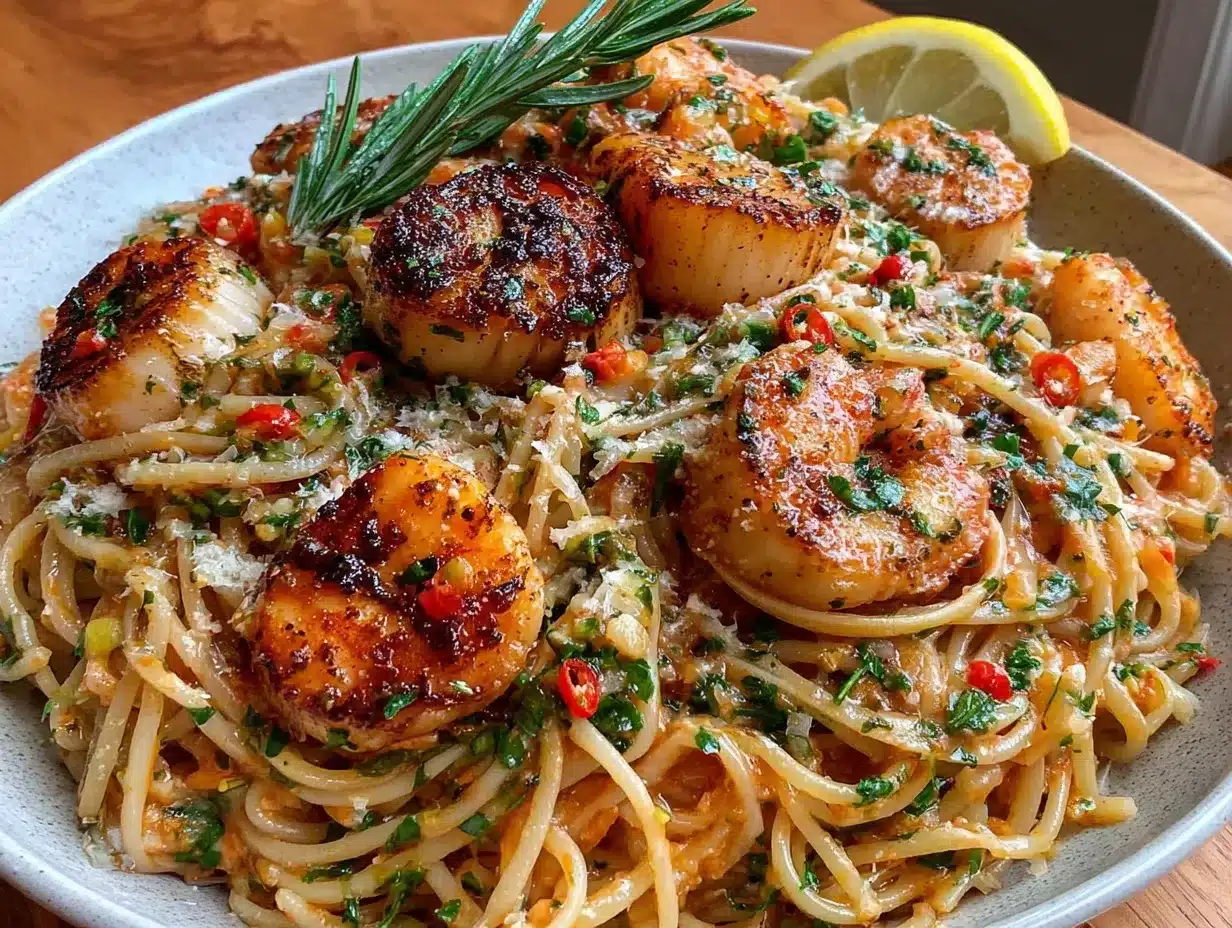
Let’s get cooking! This recipe moves fast, so I recommend reading through all the steps before you start. Prep everything first—mince the garlic, chop the parsley, zest the lemon, and have your seafood patted dry and ready to go. Trust me, you don’t want to be hunting for the butter while your garlic is burning.
- Bring a large pot of salted water to a rolling boil. Use about 1 tablespoon of salt per 4 quarts (4 liters) of water. Add the linguine and cook according to package directions until al dente (usually 8-10 minutes). Reserve about 1 cup (240 ml) of the pasta water before draining. Do not rinse the pasta—the starch helps the sauce cling to every strand.
- While the pasta cooks, pat the shrimp and scallops completely dry with paper towels. This is non-negotiable. Wet seafood won’t sear—it will steam and turn rubbery. Season both sides generously with salt and pepper. If you’re using mussels or clams, give them a good scrub under cold water and pull off any fuzzy “beards” from the mussels. Discard any that are cracked or open and don’t close when tapped.
- Heat 2 tablespoons of the olive oil in your large skillet over medium-high heat. When the oil is shimmering (almost smoking), add the scallops in a single layer. Don’t crowd the pan—work in batches if needed. Sear for 2-3 minutes per side, until they develop a deep golden crust. Transfer to a plate and set aside. The center should still be slightly translucent—they’ll finish cooking later.
- Add another tablespoon of oil to the skillet. Add the shrimp in a single layer. Cook for 1-2 minutes per side, just until they turn pink and opaque. Don’t overcook them! Transfer to the same plate as the scallops. If you’re using mussels or clams, add them to the pan now with 1/4 cup (60 ml) of the white wine. Cover and cook for 3-5 minutes, until they open. Discard any that stay closed. Remove the shellfish and add to the plate.
- Reduce the heat to medium. Add the remaining 3 tablespoons of olive oil to the skillet. Add the minced garlic and red pepper flakes. Cook for about 30-60 seconds, stirring constantly, until fragrant. You want the garlic to soften, not brown. Burnt garlic is bitter and will ruin the sauce.
- Pour in the remaining 3/4 cup (180 ml) of white wine. Use a wooden spoon to scrape up all those delicious browned bits from the bottom of the pan—that’s pure flavor. Let the wine simmer for 2-3 minutes, until it has reduced by about half. The alcohol will cook off, leaving behind a concentrated, slightly sweet flavor.
- Reduce the heat to low. Start whisking in the cold butter cubes, one at a time. This is the key to a silky, emulsified sauce. Don’t dump it all in at once—patience pays off here. The sauce should look glossy and slightly thickened. If it looks greasy, you added the butter too fast or the heat was too high.
- Add the lemon zest and juice. Stir to combine. Then add about 1/2 cup (120 ml) of the reserved pasta water. This helps the sauce coat the pasta better. Taste and adjust seasoning with salt and pepper. The sauce should be bright, garlicky, and rich.
- Add the drained linguine to the skillet. Use your tongs to toss the pasta in the sauce until every strand is coated. If the sauce seems too thick, add a splash more pasta water. If it’s too thin, let it simmer for another minute or two.
- Return all the cooked seafood to the skillet. Gently fold it into the pasta, being careful not to break up the scallops. Cook for 1-2 minutes, just until everything is heated through. The residual heat will finish cooking any slightly underdone seafood.
- Remove from heat. Sprinkle with fresh parsley and give it one final toss. Serve immediately in warm bowls.
Troubleshooting Tip: If your sauce breaks (looks oily and separated), don’t panic. Remove the pan from the heat and whisk in a tablespoon of cold water or a splash of pasta water. Sometimes that’s enough to bring it back together. If not, whisk in another tablespoon of cold butter. The key is to cool the sauce down slightly so it can re-emulsify.
Cooking Tips & Techniques
After making this dish more times than I can count, I’ve learned a few things the hard way. Here are my best tips for getting it perfect every time:
Don’t skip the dry-off step. I know it seems tedious, but patting the seafood dry is the single most important step for a good sear. Wet seafood creates steam, which prevents browning. I once skipped this step when I was in a hurry, and my scallops turned into sad, rubbery discs. Never again.
Cook the pasta 1 minute less than the package says. It will finish cooking in the sauce, and you’ll get that perfect al dente texture that holds up to the rich sauce. Overcooked pasta is mushy and falls apart when you toss it.
Use cold butter for the sauce. This is a classic French technique. Cold butter emulsifies into the wine reduction more easily than room-temperature butter, creating a silky, stable sauce. I keep my butter in the fridge until the very last minute.
Multitasking is your friend. Start the pasta water first, then prep the seafood while it comes to a boil. By the time the pasta is cooking, your skillet should be hot and ready. I like to have everything prepped and measured before I even turn on the stove. It makes the whole process feel calm and controlled, even when you’re cooking for a crowd.
One common mistake: adding all the garlic at once. If you add it to hot oil and walk away, it burns in seconds. Stay at the stove, stir constantly, and have your wine ready to pour in as soon as the garlic is fragrant. That splash of wine stops the cooking process immediately.
For consistency, weigh your pasta. I know it sounds fussy, but different brands of linguine have different densities. Weighing ensures you always have the right amount for the sauce. A standard box is usually 450g (1 lb), which is perfect for this recipe.
Variations & Adaptations
This recipe is incredibly versatile. Here are some of my favorite ways to change it up:
Spicy Arrabbiata Twist: Add 2 tablespoons of tomato paste along with the garlic, and increase the red pepper flakes to 1 teaspoon. The tomato adds a lovely acidity that complements the seafood. I tried this version last summer with fresh cherry tomatoes from my garden, and it was incredible.
Lighter, Dairy-Free Version: Skip the butter entirely and use 1/2 cup (120 ml) of the pasta water mixed with 2 tablespoons of olive oil to create the sauce. Finish with a squeeze of lemon and a handful of fresh herbs. It’s still delicious, just not as rich. My sister-in-law is dairy-free, and this is the version I make for her—she never feels like she’s missing out.
Seasonal Vegetable Addition: In the spring, I add 1 cup of blanched asparagus tips and 1/2 cup of fresh peas. In the fall, sautéed mushrooms and wilted spinach are wonderful. Just add them to the skillet after the garlic, before the wine. The vegetables soak up all that garlicky goodness.
Gluten-Free Adaptation: Use a high-quality gluten-free linguine. I’ve had the best results with brown rice pasta. Cook it according to package directions, but be careful not to overcook it—gluten-free pasta can turn mushy quickly. The rest of the recipe stays the same.
Budget-Friendly Version: Skip the scallops and mussels and use 900g (2 lbs) of shrimp instead. Shrimp is usually the most affordable seafood option, and it still tastes amazing in the garlic butter sauce. I’ve made this version for casual weeknight dinners, and it’s just as satisfying.
Serving & Storage Suggestions
This dish is best served immediately, while the pasta is hot and the seafood is tender. But here’s how to make it work for a party:
Serving Temperature and Presentation: Serve the linguine in a large, warmed bowl or on individual plates. I like to arrange the seafood on top so it’s visible—those golden scallops and pink shrimp are gorgeous. Garnish with extra fresh parsley and a few lemon wedges on the side. For a dinner party, I set the bowl in the center of the table and let everyone serve themselves. It’s a beautiful, communal moment.
Complementary Dishes: A simple green salad with a lemon vinaigrette is the perfect side—it cuts through the richness of the sauce. Crusty bread is essential for sopping up every last drop of that garlic butter. For drinks, a crisp Pinot Grigio or a light Sauvignon Blanc is a natural pairing. I also love serving this with a side of roasted broccoli or asparagus.
Storage Instructions: Leftovers can be stored in an airtight container in the refrigerator for up to 2 days. The seafood will lose some of its texture, but the flavor is still great. I don’t recommend freezing this dish—the pasta and seafood will become mushy when thawed.
Reheating Methods: The best way to reheat is in a skillet over medium-low heat. Add a splash of water or white wine to loosen the sauce, and stir gently until heated through. You can also microwave it in 30-second bursts, but be careful not to overcook the seafood. The flavors actually meld together overnight, so leftovers often taste even better the next day.
Flavor Development: If you’re making this for a party, you can cook the pasta and sauce (without the seafood) a few hours ahead. Just before serving, reheat the sauce, toss in the cooked seafood, and then add the pasta. This makes hosting so much less stressful.
Nutritional Information & Benefits
This recipe is indulgent, but it also packs some serious nutritional benefits. Here’s a rough breakdown per serving (based on 6 servings):
- Calories: Approximately 580-650 kcal
- Protein: 35-40g
- Fat: 22-28g
- Carbohydrates: 55-60g
- Fiber: 3-4g
- Sugar: 3-5g
- Sodium: 800-1000mg (varies based on salt used)
Health Benefits: Seafood is an excellent source of lean protein, omega-3 fatty acids, and essential minerals like selenium and zinc. Shrimp and scallops are particularly low in calories for their protein content. The garlic in this recipe is known for its anti-inflammatory and immune-boosting properties. The olive oil provides heart-healthy monounsaturated fats. Even the butter, in moderation, contains fat-soluble vitamins like A and E.
Dietary Considerations: This recipe is naturally low-carb if you skip the pasta and serve the seafood and sauce over zucchini noodles or roasted vegetables. It’s also gluten-free if you use gluten-free pasta. For a lower-sodium version, reduce the salt in the pasta water and use unsalted butter. Be mindful of shellfish allergies—this recipe contains shrimp, scallops, and potentially mussels or clams.
Personal Wellness Perspective: I love that this dish feels like a celebration, but it’s not something I eat every day. It’s a treat—a way to mark a special occasion or gather the people I love around the table. The protein and healthy fats keep you full and satisfied, so you don’t need a heavy dessert afterward.
Frequently Asked Questions
Can I use frozen seafood for this recipe?
Absolutely! Just make sure to thaw it completely in the refrigerator overnight. Pat it very dry with paper towels before cooking to ensure a good sear. Frozen seafood often releases more water, so be extra careful with the drying step.
What’s the best white wine to use?
Use a dry white wine that you’d actually drink. Pinot Grigio, Sauvignon Blanc, or an unoaked Chardonnay are all excellent choices. Avoid sweet wines like Riesling or Moscato—they’ll make the sauce too sugary. And please, no “cooking wine.” It’s loaded with salt and preservatives.
Can I make this dish ahead of time for a party?
You can prep most of it ahead. Cook the seafood and store it separately. Make the sauce (without the seafood) and refrigerate it. Cook the pasta al dente, toss it with a little olive oil to prevent sticking, and store it in the fridge. When you’re ready to serve, reheat the sauce in the skillet, add the seafood and pasta, and toss until heated through. It takes about 10 minutes.
Why did my sauce break?
A broken sauce (looks oily and separated) usually happens when the heat is too high or the butter is added too quickly. Remove the pan from the heat immediately. Whisk in a tablespoon of cold water or a splash of reserved pasta water. If that doesn’t work, whisk in another tablespoon of cold butter. The key is to cool the sauce down so it can re-emulsify.
How do I know when the scallops are cooked perfectly?
Perfectly cooked scallops have a golden-brown crust on the outside and are just barely opaque in the center. They should feel firm but still have a slight give when you press them. Overcooked scallops become rubbery and tough. When in doubt, err on the side of undercooking—they’ll finish cooking in the warm sauce.
Conclusion
This Seafood Linguine with Garlic White Wine Butter is more than just a recipe—it’s a way to bring people together. It’s the dish I turn to when I want to say “I love you” without words, when I want to create a moment that feels special and effortless at the same time. The garlicky, buttery sauce clinging to tender seafood and perfectly cooked pasta—it’s pure comfort, elevated.
I hope you make this for your next gathering. I hope you serve it with a big salad, a crusty baguette, and maybe a little too much wine. And I hope you taste that first bite and feel exactly what I felt when Maria handed me that scribbled piece of parchment: a connection to someone else’s kitchen, a little bit of their wisdom, and the joy of sharing something delicious.
Don’t be afraid to make it your own. Add more garlic. Use different seafood. Toss in some vegetables. Cooking is just talking, after all—and this recipe is a conversation worth having. When you make it, come back and tell me how it went. I’d love to hear about your own kitchen story.
PrintBest Seafood Linguine with Garlic White Wine Butter Recipe
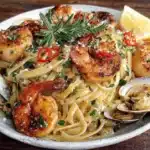
This Seafood Linguine with Garlic White Wine Butter is a showstopper that comes together in under 30 minutes. With tender shrimp, scallops, and a silky garlic butter sauce, it’s the perfect dish for impressing guests without the stress.
- Prep Time: 15 minutes
- Cook Time: 15 minutes
- Total Time: 30 minutes
- Yield: 6 servings 1x
- Category: Main Course
- Cuisine: Italian
Ingredients
- 450g (1 lb) linguine pasta
- Salt, for the pasta water
- 450g (1 lb) large shrimp, peeled and deveined
- 450g (1 lb) sea scallops
- 450g (1 lb) mussels or clams, scrubbed and debearded (optional)
- 6 tablespoons (90 ml) extra-virgin olive oil
- 8–10 cloves garlic, minced
- 1 cup (240 ml) dry white wine (e.g., Pinot Grigio, Sauvignon Blanc)
- 4 tablespoons (60 g) unsalted butter, cold and cut into cubes
- 1/2 teaspoon red pepper flakes
- Zest and juice of 1 lemon
- 1/2 cup (120 ml) reserved pasta water
- 1/4 cup (15 g) fresh parsley, chopped
- Salt and freshly ground black pepper, to taste
Instructions
- Bring a large pot of salted water to a rolling boil. Add the linguine and cook according to package directions until al dente (usually 8-10 minutes). Reserve about 1 cup (240 ml) of the pasta water before draining. Do not rinse the pasta.
- While the pasta cooks, pat the shrimp and scallops completely dry with paper towels. Season both sides generously with salt and pepper. If using mussels or clams, scrub them under cold water and remove any beards. Discard any that are cracked or open and don’t close when tapped.
- Heat 2 tablespoons of the olive oil in a large skillet over medium-high heat. When the oil is shimmering, add the scallops in a single layer. Sear for 2-3 minutes per side, until they develop a deep golden crust. Transfer to a plate and set aside.
- Add another tablespoon of oil to the skillet. Add the shrimp in a single layer. Cook for 1-2 minutes per side, just until they turn pink and opaque. Transfer to the same plate as the scallops. If using mussels or clams, add them to the pan now with 1/4 cup (60 ml) of the white wine. Cover and cook for 3-5 minutes, until they open. Discard any that stay closed. Remove the shellfish and add to the plate.
- Reduce the heat to medium. Add the remaining 3 tablespoons of olive oil to the skillet. Add the minced garlic and red pepper flakes. Cook for about 30-60 seconds, stirring constantly, until fragrant.
- Pour in the remaining 3/4 cup (180 ml) of white wine. Use a wooden spoon to scrape up any browned bits from the bottom of the pan. Let the wine simmer for 2-3 minutes, until it has reduced by about half.
- Reduce the heat to low. Start whisking in the cold butter cubes, one at a time, until the sauce is glossy and slightly thickened.
- Add the lemon zest and juice. Stir to combine. Then add about 1/2 cup (120 ml) of the reserved pasta water. Taste and adjust seasoning with salt and pepper.
- Add the drained linguine to the skillet. Use tongs to toss the pasta in the sauce until every strand is coated. If the sauce seems too thick, add a splash more pasta water.
- Return all the cooked seafood to the skillet. Gently fold it into the pasta, being careful not to break up the scallops. Cook for 1-2 minutes, just until everything is heated through.
- Remove from heat. Sprinkle with fresh parsley and give it one final toss. Serve immediately in warm bowls.
Notes
Pat seafood completely dry for a good sear. Use cold butter for a silky sauce. Cook pasta 1 minute less than package directions for perfect al dente. If sauce breaks, whisk in a tablespoon of cold water or pasta water.
Nutrition
- Serving Size: 1 serving (about 1/6
- Calories: 615
- Sugar: 4
- Sodium: 900
- Fat: 25
- Saturated Fat: 8
- Carbohydrates: 58
- Fiber: 3.5
- Protein: 38
Keywords: seafood linguine, garlic white wine butter, shrimp scallops pasta, easy seafood pasta, dinner party recipe