Love this? Save it for later!
Share the inspiration with your friends
I was standing in the middle of the parking lot at my local grocery store last October when a gust of wind carried the unmistakable scent of cinnamon and boiled apples from someone’s open car window. And just like that, I was seven years old again, sitting on a cracked vinyl stool in Mrs. Giannetti’s farm kitchen, watching her strain hot cider through a cheesecloth draped over a Mason jar. She wasn’t my grandmother, not even a relative—she was just the elderly neighbor who let me tag along during cider season because my mom worked late. I haven’t thought about that kitchen in twenty years. But in that parking lot, I could feel the sticky wood floor under my sneakers and hear her humming something off-key while she stirred. I wanted that feeling back, not just the memory of it. So I went home, bought a gallon of fresh cider, and started messing around with cookie dough until I landed on something that tasted like that October afternoon. These soft-baked apple cider cookies are my best attempt at bottling that moment—and honestly, they came out even better than I hoped.
You know that feeling when you bite into something and it’s exactly what you needed but didn’t know you were craving? That’s what these cookies are. They’re soft, tender, and packed with that concentrated apple cider flavor that tastes like fall in a single bite. I wanted a cookie that felt wholesome enough to eat for breakfast with your coffee but still sweet enough to pass off as dessert. And let me tell you, after about six test batches (and one that spread so thin it looked like a lace doily), I got there. These are the cookies I now make every single time the leaves start turning.
Maybe you’ve been there too—chasing a flavor from your past that you can’t quite name but you’d know the second it hit your tongue. If that’s the case, I think these cookies might do it for you.
Why You’ll Love This Recipe
I’ve tested this recipe more times than I care to admit, and I can tell you with confidence: these cookies are different. They’re not just another fall cookie that looks pretty but tastes like nothing. These are soft, chewy, and actually taste like real apple cider—not artificial flavoring.
- Quick & Easy : From mixing bowl to cooling rack in under 30 minutes. No chilling required, which means you can satisfy that craving immediately.
- Simple Ingredients : You probably have most of these in your pantry right now. No weird extracts or hard-to-find specialty flours.
- Perfect for Fall Gatherings : Great for Thanksgiving dessert tables, apple picking parties, or just a cozy afternoon with a hot mug of tea.
- Crowd-Pleaser : I brought these to a potluck last month and three different people asked for the recipe before I even left.
- Unbelievably Delicious : The secret is reducing the cider before adding it to the dough. It concentrates the flavor without making the cookies soggy. Pure genius, if I do say so myself.
What makes this recipe stand out from the hundreds of apple cider cookie recipes online is the technique. Most recipes just dump liquid cider into the dough and end up with flat, cakey cookies that taste watered down. I spent weeks figuring out how to get that intense, tangy-sweet apple flavor into a soft cookie without ruining the texture. The answer was reducing the cider on the stove until it turned into a syrupy concentrate. It takes ten extra minutes, but I promise you it makes all the difference.
This recipe isn’t just good—it is the kind that makes you close your eyes after the first bite. It’s comfort food reimagined: a little bit healthier, a lot faster, but with the same soul-soothing satisfaction as something that took all day.
What Ingredients You Will Need
This recipe uses simple, wholesome ingredients to deliver bold apple cider flavor and a soft, tender crumb. Most of these are pantry staples, which makes these cookies perfect for spontaneous baking sessions when fall cravings hit.
For the Cookies
- Apple cider, 1 cup (240 ml) — Use fresh, unfiltered cider if you can find it. The cloudier the better, honestly. I like buying local cider from the farmers market because it has more depth of flavor. You’ll be reducing this down to a concentrate, so quality matters here.
- Unsalted butter, 1/2 cup (1 stick, 113 g), softened — Make sure it’s truly softened to room temperature, not melted. Melted butter will make these cookies spread too much. I usually leave mine out for about an hour before baking.
- Light brown sugar, 3/4 cup (150 g), packed — Brown sugar adds moisture and that slight molasses flavor that pairs beautifully with apple cider. Dark brown sugar works too if that’s what you have.
- Granulated sugar, 1/4 cup (50 g) — Just enough to balance the brown sugar without making things too sweet.
- Large egg, 1, room temperature — A room temperature egg incorporates more evenly into the butter-sugar mixture. If you forgot to take it out of the fridge, place it in a bowl of warm water for five minutes.
- Vanilla extract, 1 teaspoon — Pure vanilla extract adds warmth. The artificial stuff works in a pinch, but the flavor won’t be as rich.
- All-purpose flour, 2 cups (250 g) — Spoon and level your flour. Scooping directly with the measuring cup packs in too much flour and makes the cookies dry.
- Baking soda, 1 teaspoon — Helps the cookies spread just the right amount and stay soft.
- Ground cinnamon, 1 teaspoon — Non-negotiable for fall cookies. This is the backbone of the flavor.
- Ground nutmeg, 1/2 teaspoon — Freshly grated if you have it. It makes a surprising difference.
- Ground cloves, 1/4 teaspoon — Just a pinch to round out the warm spices.
- Salt, 1/2 teaspoon — Don’t skip this. Salt balances the sweetness and makes the apple flavor pop.
For the Cinnamon Sugar Coating
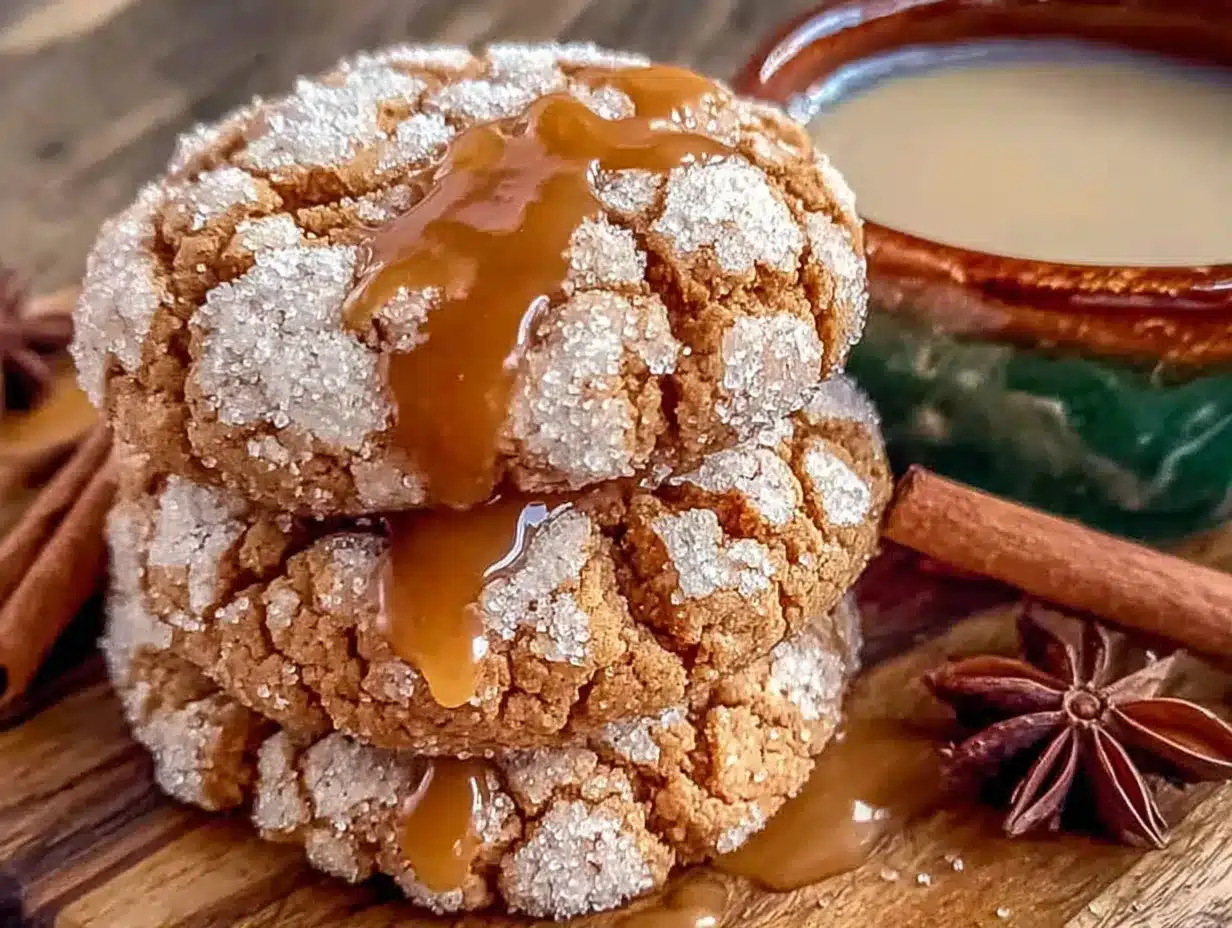
- Granulated sugar, 1/4 cup (50 g)
- Ground cinnamon, 1 tablespoon
I recommend using a good quality cinnamon like Saigon or Ceylon if you can find it. The flavor is noticeably warmer and less harsh than standard grocery store cinnamon. But honestly, whatever you have in your spice cabinet will work just fine.
Equipment Needed
You don’t need fancy equipment for these cookies, which is part of why I love making them on a whim.
- Medium saucepan — For reducing the apple cider. Use one with a heavy bottom to prevent scorching.
- Large mixing bowl — Any bowl will do, but I prefer a wide one for easier mixing.
- Hand mixer or stand mixer — A hand mixer works perfectly here. You can even mix by hand with a wooden spoon if you want a little arm workout.
- Measuring cups and spoons — Accurate measurements matter more in baking than any other type of cooking.
- Baking sheets — Two standard half-sheet pans work well. Line them with parchment paper for easy cleanup.
- Parchment paper — Non-stick and makes cleanup a breeze. Silicone baking mats also work great.
- Cookie scoop (about 1.5 tablespoons) — This isn’t essential, but it gives you evenly sized cookies that bake uniformly. I learned this the hard way after making cookies that ranged from tiny to enormous.
- Cooling rack — Helps the cookies cool without getting soggy on the bottom.
If you don’t have a cookie scoop, just use two spoons to portion out the dough. It’s a little messier but works just as well.
Preparation Method
- Reduce the apple cider. Pour the 1 cup of apple cider into a medium saucepan and bring it to a boil over medium-high heat. Once boiling, reduce the heat to medium-low and let it simmer, stirring occasionally, until it reduces to about 1/4 cup. This usually takes 10 to 12 minutes. You’ll know it’s ready when it looks syrupy and coats the back of a spoon. Set it aside to cool completely while you prepare the rest of the ingredients. Don’t skip this step—I tried it once with unreduced cider and ended up with flat, sad cookies that tasted like nothing.
- Preheat your oven to 350°F (175°C). Line two baking sheets with parchment paper.
- Make the cinnamon sugar coating. In a small bowl, whisk together the 1/4 cup granulated sugar and 1 tablespoon cinnamon. Set aside.
- Cream the butter and sugars. In a large mixing bowl, beat the softened butter, brown sugar, and granulated sugar together until light and fluffy, about 2 to 3 minutes. Scrape down the sides of the bowl halfway through. The mixture should look pale and slightly increased in volume.
- Add the wet ingredients. Beat in the egg and vanilla extract until well combined. Then add the cooled, reduced apple cider syrup and mix until just incorporated. The batter will look slightly separated at this point—that’s normal.
- Mix the dry ingredients. In a separate bowl, whisk together the flour, baking soda, cinnamon, nutmeg, cloves, and salt. This ensures the spices are evenly distributed throughout the dough.
- Combine wet and dry. Gradually add the dry ingredients to the wet mixture, mixing on low speed until just combined. Do not overmix. Overmixing develops the gluten and makes the cookies tough instead of soft. Stop as soon as you no longer see streaks of flour.
- Chill the dough (optional but recommended). For the softest, thickest cookies, cover the bowl and refrigerate the dough for 30 minutes. If you’re in a hurry, you can skip this step, but the cookies will spread a little more. I usually chill it because I like a thicker cookie.
- Shape the cookies. Using a cookie scoop or two spoons, portion out rounded tablespoons of dough. Roll each portion into a ball between your palms, then roll it in the cinnamon sugar mixture until fully coated. Place the coated dough balls on the prepared baking sheets, spacing them about 2 inches apart. They will spread slightly.
- Bake. Bake for 10 to 12 minutes, or until the edges are set and lightly golden but the centers still look slightly soft and puffed. The cookies will continue to set as they cool on the baking sheet. Do not overbake—this is the number one mistake people make with soft cookies. When in doubt, take them out a minute early.
- Cool. Let the cookies cool on the baking sheet for 5 minutes. This allows them to firm up without becoming hard. Then transfer them to a wire cooling rack to cool completely. If you try to move them too soon, they will fall apart.
Cooking Tips & Techniques
I’ve made this recipe enough times to know exactly where things can go wrong. Here are the lessons I learned the hard way so you don’t have to.
Don’t rush the cider reduction. I know it’s tempting to crank up the heat to make it go faster, but high heat will burn the sugars in the cider and give you a bitter, scorched flavor. Keep it at a gentle simmer and stir occasionally. The reduced cider should be deep amber in color and smell intensely of apples. If it smells like caramel, you’ve gone too far.
Measure your flour correctly. This is the most common mistake in cookie baking. Scooping your measuring cup directly into the flour bag packs in up to 25% more flour than the recipe calls for. Instead, fluff the flour with a spoon, then spoon it into your measuring cup and level it off with a knife. Your cookies will thank you.
Room temperature ingredients matter. Cold butter won’t cream properly with the sugar, and a cold egg can cause the butter to seize up. Take the butter and egg out of the fridge about an hour before you start baking. If you forgot, place the egg in a bowl of warm water for 5 minutes and cut the butter into small cubes to help it soften faster.
Watch your bake time like a hawk. Ovens vary wildly in temperature. My oven runs hot, so I start checking my cookies at 9 minutes. The perfect soft-baked cookie has set edges and a center that still looks slightly underdone. It will continue cooking from residual heat after you pull it out of the oven. Overbaking by even a minute can turn a soft cookie into a crispy one.
Let them cool properly. I know it’s hard to wait, but moving cookies too soon is a recipe for disaster. The 5-minute rest on the baking sheet is crucial for structure. If you try to transfer them immediately, they will crumble and break. Trust me, I’ve lost many a cookie to impatience.
Variations & Adaptations
One of the best things about this recipe is how flexible it is. Here are some variations I’ve tried and loved.
Gluten-Free Version : Substitute the all-purpose flour with a 1:1 gluten-free baking flour blend that contains xanthan gum. I’ve tested this with Bob’s Red Mill 1-to-1 Baking Flour and the texture was remarkably close to the original. Just be aware that gluten-free cookies tend to spread a little more, so chilling the dough for a full 30 minutes is essential here.
Vegan Adaptation : Replace the butter with vegan butter sticks (not margarine from a tub) and use a flax egg (1 tablespoon ground flaxseed mixed with 3 tablespoons water, let sit for 5 minutes). The cookies will be slightly less tender but still delicious. I made a batch for a vegan friend last fall and she asked for the recipe immediately.
Add Mix-Ins : Fold in 1/2 cup of finely chopped dried apples or 1/3 cup of toasted walnuts before baking. The dried apples add little chewy pockets of concentrated apple flavor, and the walnuts add a nice crunch. I personally love adding both.
Maple Variation : Swap 1/4 cup of the brown sugar for maple syrup. Reduce the reduced cider by 2 tablespoons to compensate for the extra liquid. The maple flavor pairs beautifully with the apple cider and gives the cookies a slightly different warmth.
Spiced Cider Glaze : For an extra layer of flavor, whisk together 1 cup of powdered sugar, 2 tablespoons of reduced apple cider (set some aside before adding it to the dough), and a pinch of cinnamon. Drizzle over cooled cookies. This makes them look absolutely stunning on a dessert table.
Serving & Storage Suggestions
These cookies are best served slightly warm, when the edges are still a little soft and the cinnamon sugar coating is perfectly crisp. I like to serve them with a hot mug of spiced chai or a warm cup of coffee. They’re also fantastic crumbled over vanilla ice cream for a quick fall dessert that looks way more impressive than it actually is.
Storage : Store these cookies in an airtight container at room temperature for up to 5 days. To keep them soft, place a slice of bread in the container—the cookies will absorb the moisture from the bread and stay tender. Replace the bread slice every couple of days if the cookies last that long.
Freezing : These cookies freeze beautifully. Place them in a single layer on a baking sheet and freeze until solid, then transfer to a freezer-safe bag or container. They’ll keep for up to 3 months. To thaw, just leave them at room temperature for about 30 minutes. You can also freeze the unbaked dough balls. Roll them in the cinnamon sugar, place them on a baking sheet, freeze until solid, then transfer to a freezer bag. Bake from frozen, adding 2 to 3 minutes to the bake time.
Flavor Development : Honestly, these cookies taste even better the next day. The apple cider flavor deepens and the spices mellow into something more complex. If you can resist eating them all on day one, you’ll be rewarded on day two.
Nutritional Information & Benefits
Per cookie (based on 24 cookies): approximately 130 calories, 5g fat, 20g carbohydrates, 1g fiber, 12g sugar, 1g protein.
These cookies are made with real ingredients and no artificial flavors or preservatives. The apple cider provides a small amount of vitamin C and antioxidants, and using brown sugar instead of refined white sugar adds a touch of molasses and minerals. While these are still a treat, they’re a more wholesome option than many store-bought fall cookies that rely on artificial apple flavoring and hydrogenated oils.
If you’re watching your sugar intake, you can reduce the sugar in the dough by 1/4 cup without significantly affecting the texture. The cookies will be slightly less sweet but still delicious. For a lower-fat version, substitute half the butter with unsweetened applesauce. The cookies will be more cake-like in texture but still very good.
These cookies are vegetarian and can easily be made vegan or gluten-free with the substitutions mentioned above. They contain dairy (butter) and gluten (flour) in their standard form, so keep that in mind for guests with allergies.
Frequently Asked Questions
Can I use apple juice instead of apple cider?
You can, but the flavor won’t be as rich or tangy. Apple juice is more processed and lacks the depth of real cider. If you’re in a pinch, add a squeeze of lemon juice to the apple juice to mimic some of that tartness.
Why did my cookies spread too much?
This usually happens for one of three reasons: your butter was too soft or melted, you didn’t chill the dough, or you overmixed the flour. Next time, make sure your butter is just softened (not greasy) and chill the dough for at least 30 minutes.
Can I double this recipe?
Absolutely. I double this recipe all the time for holiday cookie exchanges. Just make sure you have a large enough mixing bowl and two saucepans if you’re doubling the cider reduction (or do it in two batches).
How do I know when the cider is reduced enough?
The reduced cider should measure about 1/4 cup and have a syrupy consistency. It will coat the back of a spoon and look deep amber in color. If it starts to smell like caramel or burnt sugar, you’ve reduced it too far and should start over.
Can I make these cookies ahead of time for a party?
Yes, and I actually recommend it. Bake the cookies up to two days in advance and store them in an airtight container. The flavors meld and deepen over time. You can also freeze the baked cookies for up to three months.
Conclusion
These soft-baked apple cider cookies are everything I wanted that day in the parking lot when a random scent sent me spiraling back into a childhood memory. They’re warm, spiced, tender, and taste like the best parts of fall in every single bite. I’ve made them for friends, family, potlucks, and quiet afternoons when I just needed something comforting to go with my tea. And every single time, they deliver.
I hope you make these cookies and find whatever it is you’re looking for in them—whether that’s a taste of your own memories or just a really good cookie to get you through the week. Don’t be afraid to play around with the variations and make them your own. That’s the beauty of baking, right? It’s part science, part memory, and part just making something that feels good.
If you try these cookies, I’d love to hear how they turned out. Drop a comment below and let me know if they brought back any memories for you. And if you made any fun variations, share those too—I’m always looking for new ideas to try in my kitchen. Happy fall baking, friends.
Pin This Recipe!
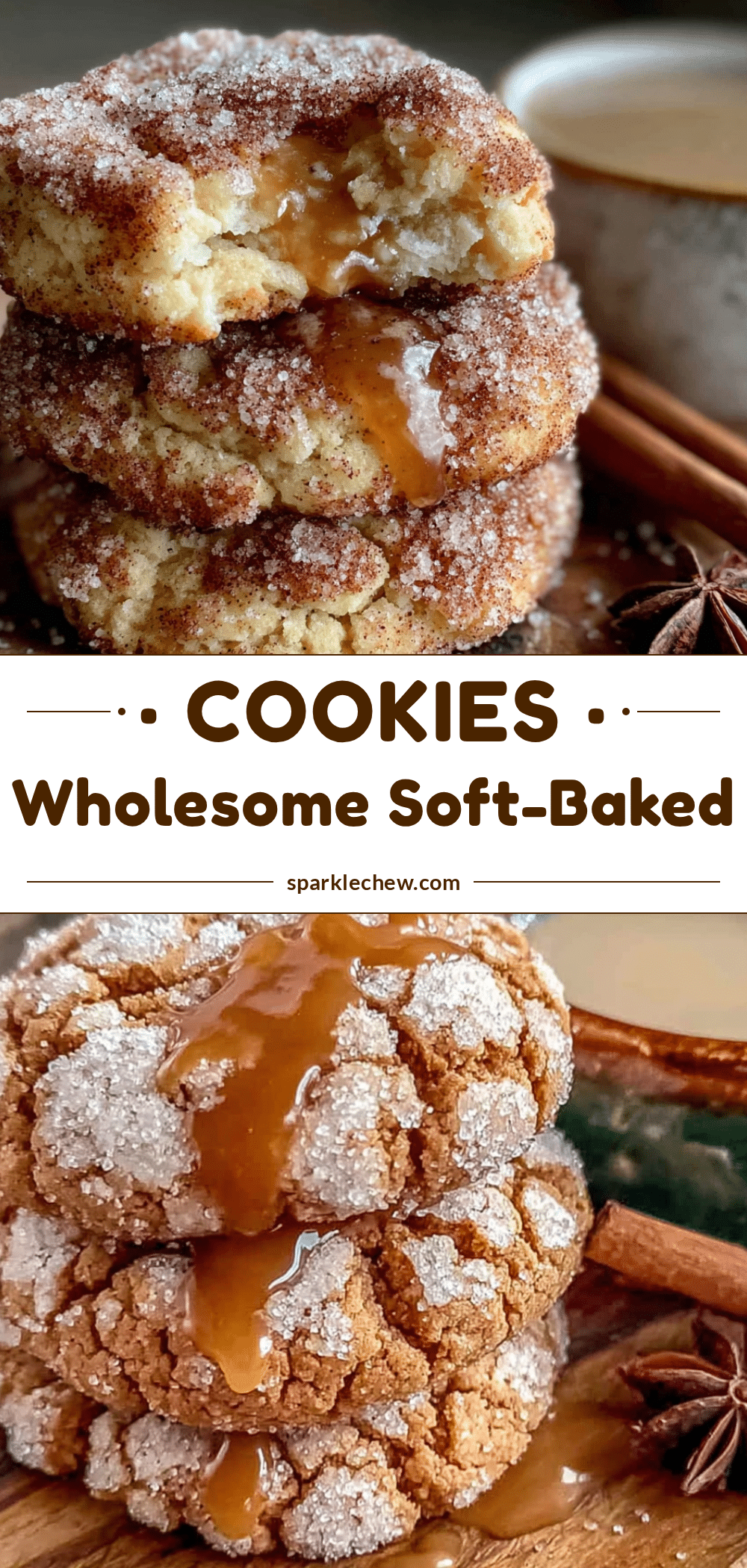
Best Soft-Baked Apple Cider Cookies – Easy Fall Recipe

These soft-baked apple cider cookies are packed with concentrated apple cider flavor and warm spices, making them the perfect fall treat. Quick and easy to make, they’re soft, tender, and taste like autumn in every bite.
- Prep Time: 15 minutes
- Cook Time: 12 minutes
- Total Time: 27 minutes
- Yield: 24 servings 1x
- Category: Dessert
- Cuisine: American
Ingredients
- 1 cup (240 ml) apple cider
- 1/2 cup (1 stick, 113 g) unsalted butter, softened
- 3/4 cup (150 g) light brown sugar, packed
- 1/4 cup (50 g) granulated sugar
- 1 large egg, room temperature
- 1 teaspoon vanilla extract
- 2 cups (250 g) all-purpose flour
- 1 teaspoon baking soda
- 1 teaspoon ground cinnamon
- 1/2 teaspoon ground nutmeg
- 1/4 teaspoon ground cloves
- 1/2 teaspoon salt
- 1/4 cup (50 g) granulated sugar (for coating)
- 1 tablespoon ground cinnamon (for coating)
Instructions
- Reduce the apple cider: Pour 1 cup of apple cider into a medium saucepan and bring to a boil over medium-high heat. Reduce heat to medium-low and simmer, stirring occasionally, until reduced to about 1/4 cup (10-12 minutes). Set aside to cool completely.
- Preheat oven to 350°F (175°C). Line two baking sheets with parchment paper.
- Make the cinnamon sugar coating: In a small bowl, whisk together 1/4 cup granulated sugar and 1 tablespoon cinnamon. Set aside.
- Cream the butter and sugars: In a large mixing bowl, beat the softened butter, brown sugar, and granulated sugar together until light and fluffy, about 2-3 minutes. Scrape down the sides halfway through.
- Add the wet ingredients: Beat in the egg and vanilla extract until well combined. Add the cooled reduced apple cider syrup and mix until just incorporated.
- Mix the dry ingredients: In a separate bowl, whisk together the flour, baking soda, cinnamon, nutmeg, cloves, and salt.
- Combine wet and dry: Gradually add the dry ingredients to the wet mixture, mixing on low speed until just combined. Do not overmix.
- Chill the dough (optional but recommended): Cover the bowl and refrigerate for 30 minutes for thicker cookies.
- Shape the cookies: Using a cookie scoop or two spoons, portion out rounded tablespoons of dough. Roll each into a ball, then roll in the cinnamon sugar mixture until fully coated. Place on prepared baking sheets, spacing 2 inches apart.
- Bake for 10-12 minutes, until edges are set and lightly golden but centers still look soft. Do not overbake.
- Cool on the baking sheet for 5 minutes, then transfer to a wire cooling rack to cool completely.
Notes
Don’t rush the cider reduction; keep at a gentle simmer to avoid burning. Measure flour correctly by spooning and leveling. Room temperature ingredients are important for proper creaming. Watch bake time closely to avoid overbaking. Let cookies cool on the baking sheet for 5 minutes before transferring.
Nutrition
- Serving Size: 1 cookie
- Calories: 130
- Sugar: 12
- Sodium: 95
- Fat: 5
- Saturated Fat: 3
- Carbohydrates: 20
- Fiber: 1
- Protein: 1
Keywords: apple cider cookies, soft-baked cookies, fall cookies, easy cookie recipe, apple cider dessert